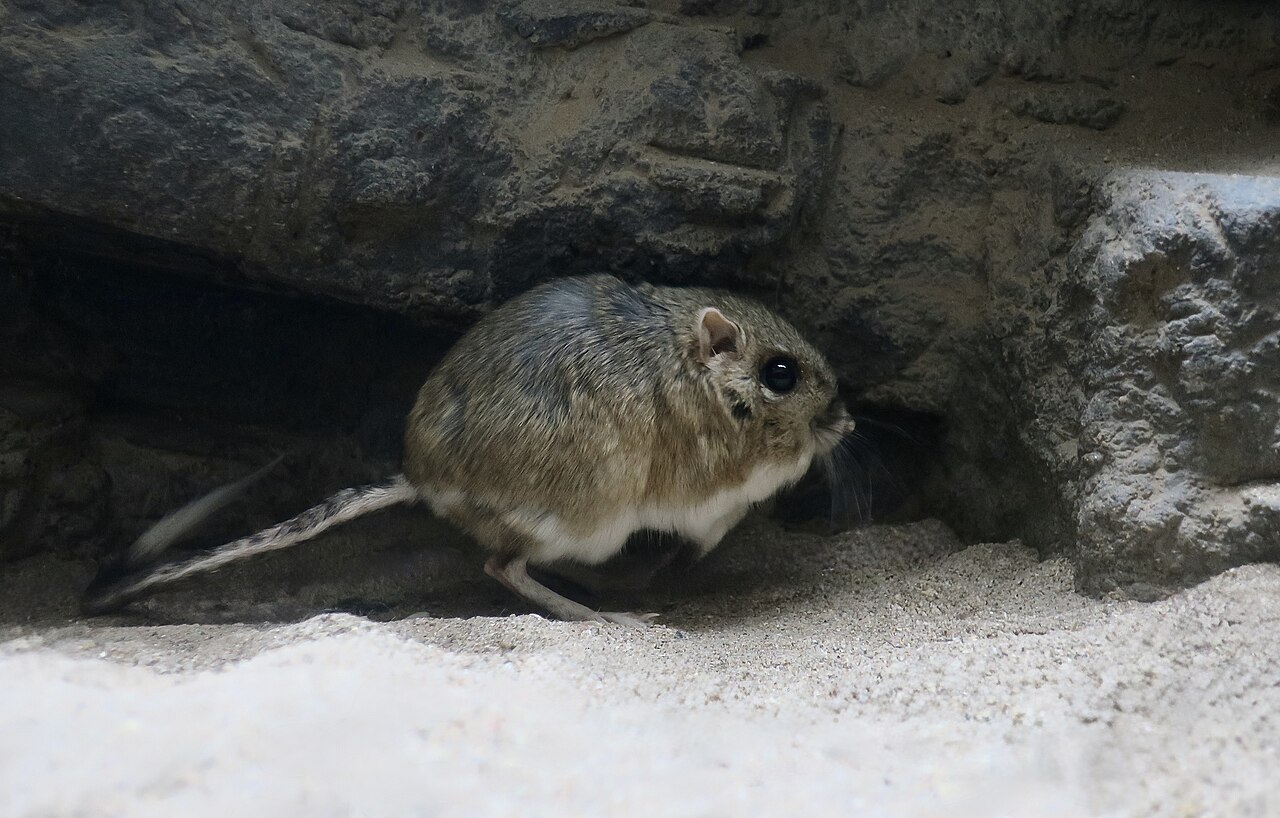
Kangaroo rat
Small bipedal rodents adapted to arid North American deserts.

Cjziems · CC BY-SA 4.0
Kangaroo rats are small, mostly nocturnal rodents of the genus Dipodomys, native to arid areas of western North America. Their common name derives from their bipedal form and hopping locomotion, which developed independently from kangaroos. They are notable for their fur-lined cheek pouches, used for storing food, and their ability to survive in harsh desert environments without drinking water.
- genus
- Dipodomys
- family
- Heteromyidae
- habitat
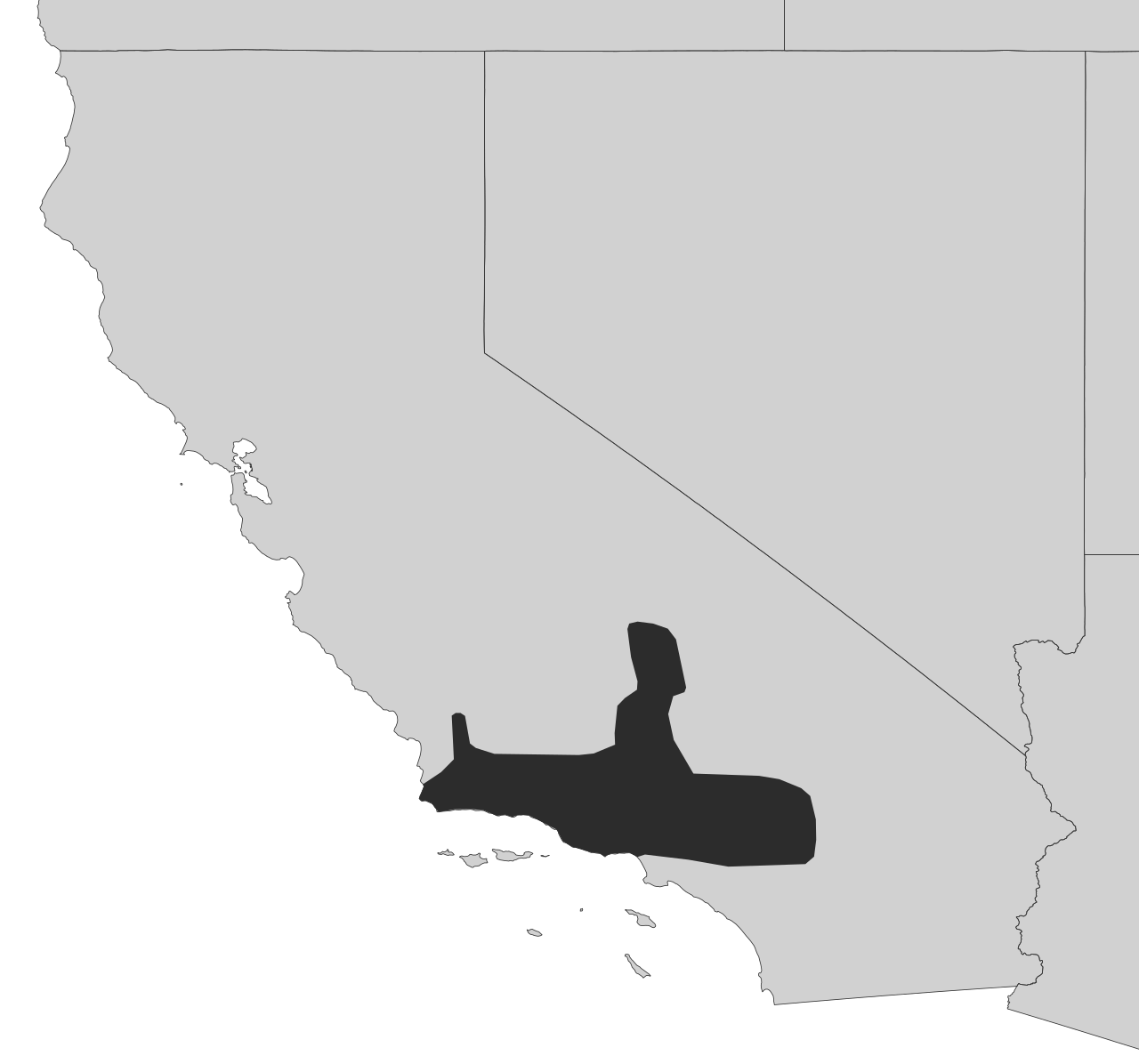
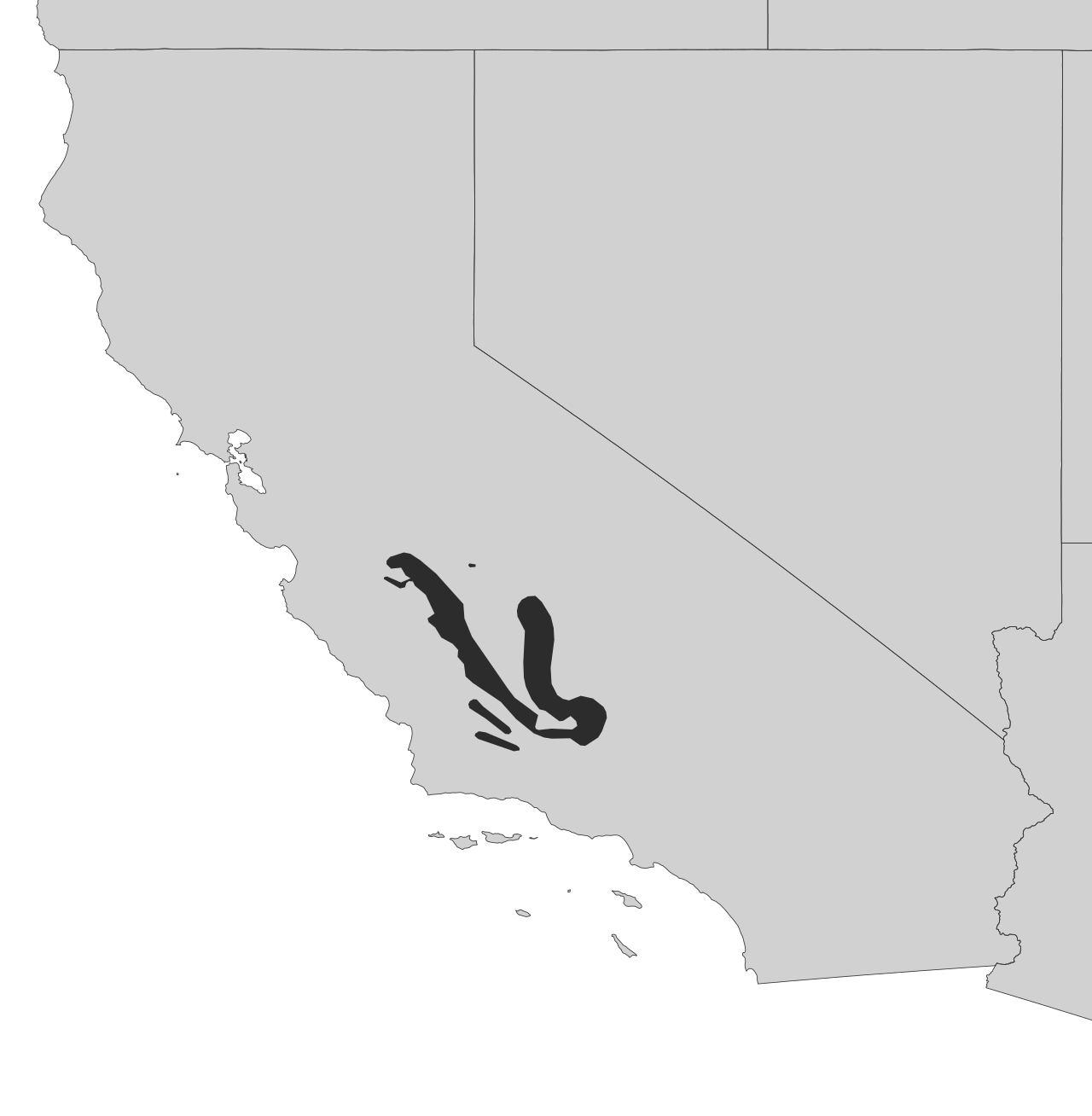
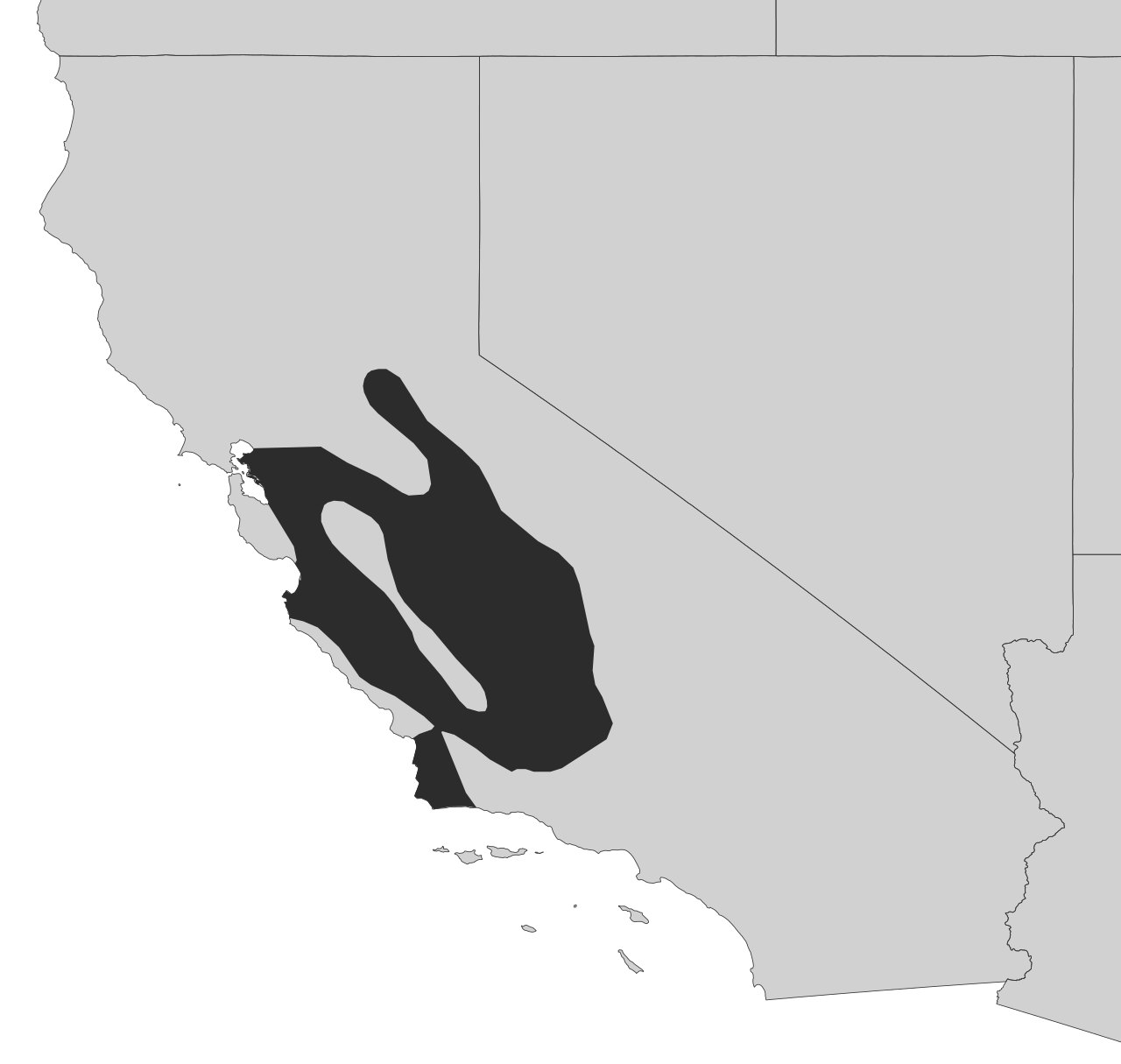
- Arid and semiarid western North America
- locomotion
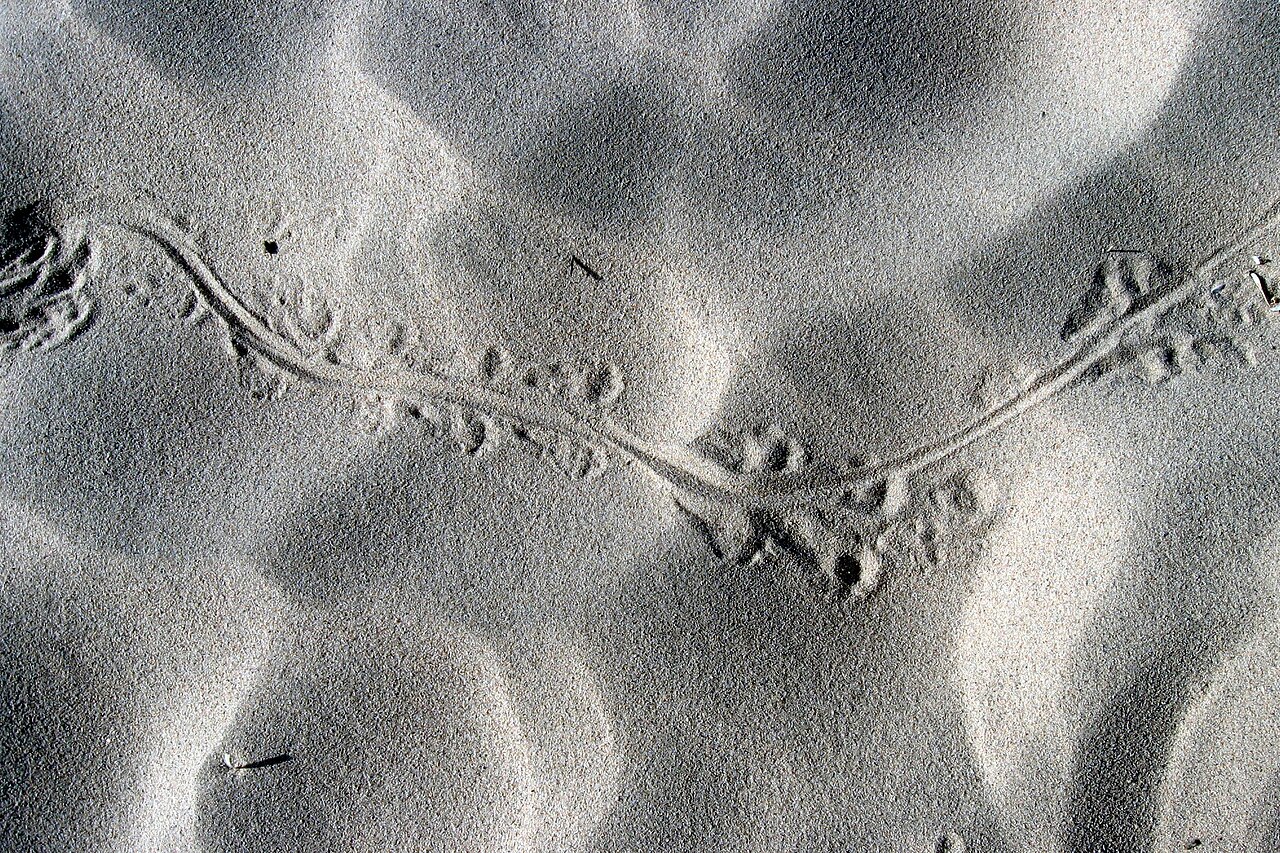
- Bipedal hopping
- diet
- Primarily seeds
- gestation
- 22–27 days
Lore & Background
Kangaroo rats are four- or five-toed heteromyid rodents with large hind legs, small front legs, and relatively large heads. Their tails are longer than their body and head combined. Coloration varies from cinnamon buff to dark gray depending on species. Sexual dimorphism exists, with males larger than females. They move bipedally, leaping up to 9 feet at speeds near 10 feet per second, and can quickly change direction between jumps. The banner-tailed kangaroo rat uses a 'move-freeze' mode to reduce predation risk.
Reader's Guide
Kangaroo rats are significant for their remarkable adaptations to desert life. They conserve water by lowering metabolic rate, producing concentrated urine, and obtaining moisture from metabolic oxidation of seeds. Their burrow systems provide protection from extreme temperatures and predators. They exhibit diverse seed caching strategies: Merriam's kangaroo rats scatterhoard small caches, while banner-tailed kangaroo rats larderhoard in mounds. These behaviors affect rangeland and cropland ecology. Their promiscuous mating system and ability to adjust reproductive efforts based on local conditions highlight their ecological flexibility. The species vary in habitat preferences, with some like Merriam's kangaroo rats tolerating stony soils and high rainfall, while banner-tailed kangaroo rats depend on declining desert grasslands.
Did You Know?
- Kangaroo rats can leap up to 9 feet (2.75 m) at speeds up to 11 km/h.
- They do not need to drink water, obtaining it from metabolic oxidation of seeds.
- Their fur-lined cheek pouches are used for storing food.
- Banner-tailed kangaroo rats mate in their burrows, unlike Merriam's kangaroo rats.
Dentition and Feeding Mechanics
The kangaroo rat shares with all rodents a defining trait: one pair of incisors in each jaw that grows without ceasing. Enamel covers the front of each tooth while the rear stays bare, making constant gnawing essential to prevent the teeth from elongating to the point of piercing the skull. As the opposing rows grind, the softer dentine behind wears faster than the enamel ahead, self-sharpening the edge into a chisel-like blade. A gap called a diastema separates the incisors from the cheek teeth, allowing the animal to draw in and expel inedible bits while chipping food. Total tooth count ranges from twelve to twenty-eight, with no canines present. Ridged molars grind plant material into fine particles, and the masseter muscle—accounting for sixty to eighty percent of all chewing muscle mass—propels the jaw forward for gnawing and backward for chewing, two motions that cranial anatomy prevents from occurring simultaneously. A claw-like nail on the forefoot's first digit helps handle hard seeds and nuts, a feeding niche rodents have come to dominate.
Locomotion and Body Plan
Among the many locomotor strategies rodents employ—quadrupedal walking, running, burrowing, climbing, swimming, and gliding—the kangaroo rat stands out for its bipedal hopping, a mode it shares with hopping mice. Most rodent species, including the kangaroo rat, are small, with the majority weighing under one hundred grams, and they typically display stout bodies with short limbs. The forefeet generally bear five digits, one of which functions as an opposable thumb, while the hind feet carry three to five digits. The elbow joint grants the forearms considerable flexibility. The majority of rodent species are plantigrade, placing the whole foot on the ground, and they sport claw-like nails of varying size. Tails are present in most species and come in many shapes, from bushy to nearly bald, with some even capable of partial regeneration if a section breaks off. The kangaroo rat's leaping gait represents one of the more specialized adaptations within this remarkably diverse order.
Sensory World and Social Life
Rodents, including the kangaroo rat, generally possess well-developed senses of smell and hearing, and species that are active at night tend to have enlarged eyes. Long, sensitive whiskers called vibrissae serve as tactile instruments, and their movement is largely driven by the brain stem. Socially, many rodent species live in groups and communicate through complex systems, though the exact structure of these societies varies widely. Mating strategies span a broad spectrum, from monogamy through polygyny to promiscuity. Reproductive strategies also differ: some species give birth to underdeveloped, altricial young that require extended care, while others produce precocial offspring that are relatively well-developed at birth. The kangaroo rat, as a member of this extraordinarily diverse order—which accounts for roughly forty percent of all mammal species—participates in a social and sensory world shaped by millions of years of adaptation to nearly every terrestrial habitat on Earth.
Evolutionary Lineage and Global Context
The kangaroo rat belongs to the order Rodentia, which together with Lagomorpha—rabbits, hares, and pikas—forms the clade Glires, sharing a single common ancestor. The rodent fossil record stretches back to the Paleocene of Asia, and the group diversified dramatically during the Eocene as species spread across continents and even crossed oceans. Rodents reached South America and Madagascar from Africa and, until humans arrived, were the only terrestrial placental mammals to colonize Australia. Today they are native to every major landmass except Antarctica and a few isolated oceanic islands, though human activity has since introduced them to nearly all of those places as well. Beyond their ecological roles, rodents serve humans as food sources, pets, laboratory animals, and, in the case of species like the brown rat and house mouse, as serious pests that spoil stored food and spread disease. The kangaroo rat occupies a small but distinctive corner of this vast evolutionary story.
Gallery

Frequently Asked Questions
What is a kangaroo rat?
A small nocturnal rodent in the genus Dipodomys, found in dry regions of western North America. Despite the name, it has no relation to marsupials—its hopping gait simply evolved on its own.
How does a kangaroo rat survive without drinking water?
They extract all the moisture they need from the seeds they eat, which lets them thrive in harsh desert conditions where standing water is essentially nonexistent.
What does a kangaroo rat eat?
Their diet is made up mostly of seeds, which they stash away in fur-lined cheek pouches for later consumption.
How does a kangaroo rat move?
It travels by hopping on its two hind legs, a bipedal gait that looks similar to a kangaroo's but is a completely independent evolutionary development.
Where do kangaroo rats live?
They inhabit arid and semiarid stretches of western North America, typically staying active during nighttime hours to avoid the heat of the desert.
More in Rodents And Lagomorphs 1-21
Spotted an error? Know more?
This is a living reference — every entry is fact-audited, and reader corrections feed straight into our audit queue. Suggest an edit · See this site's audit record