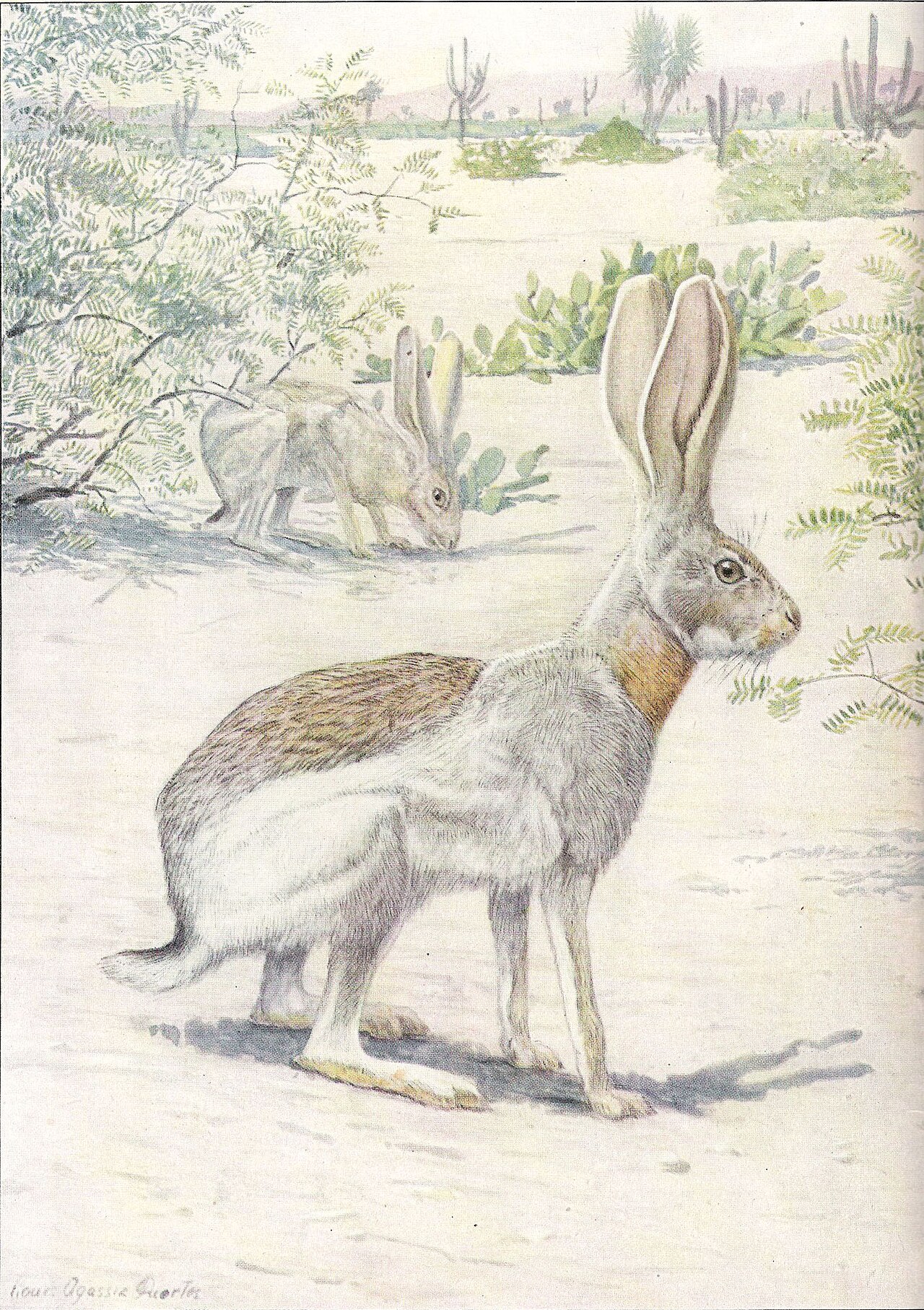
Antelope jackrabbit

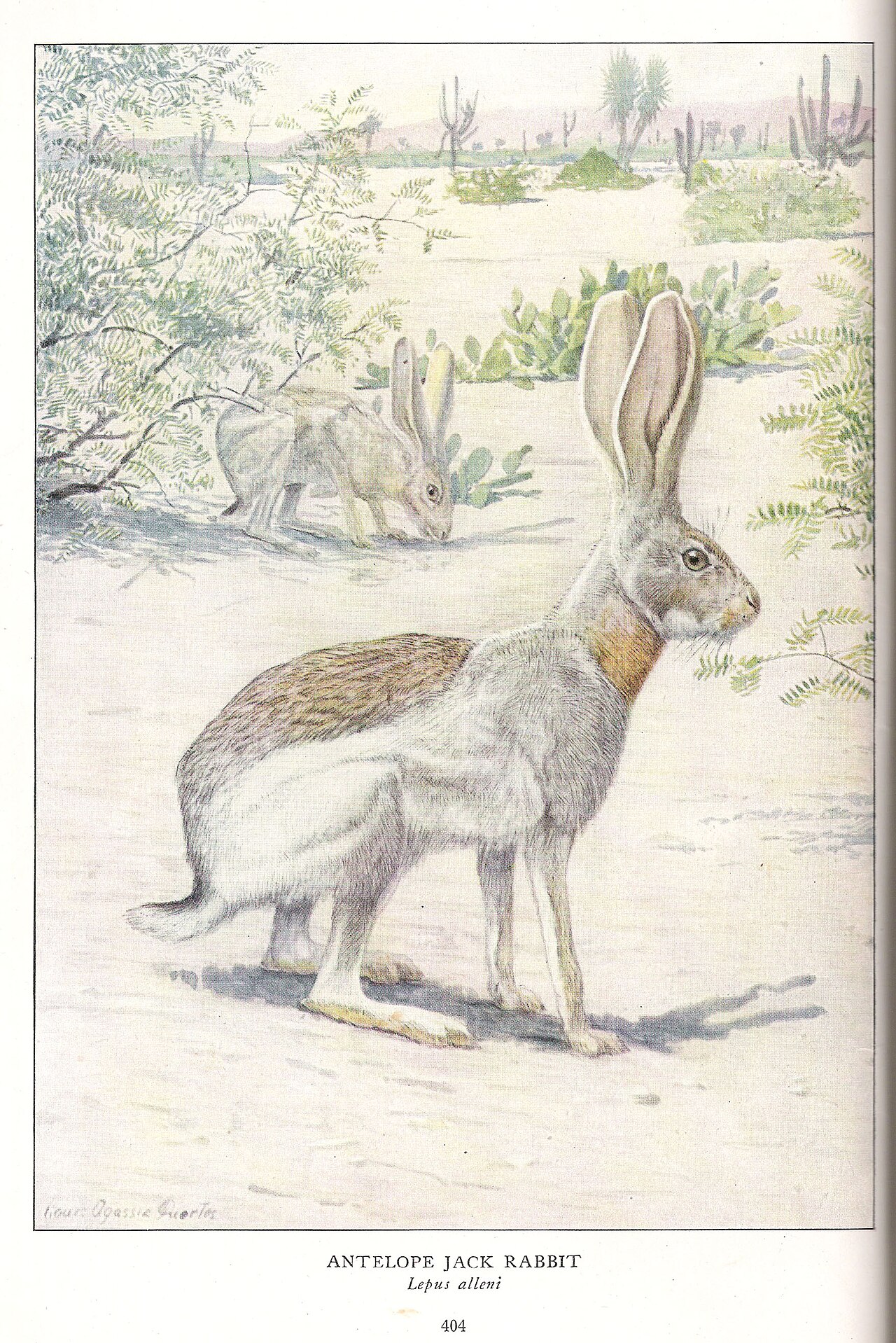
Louis Agassiz Fuertes · Public domain
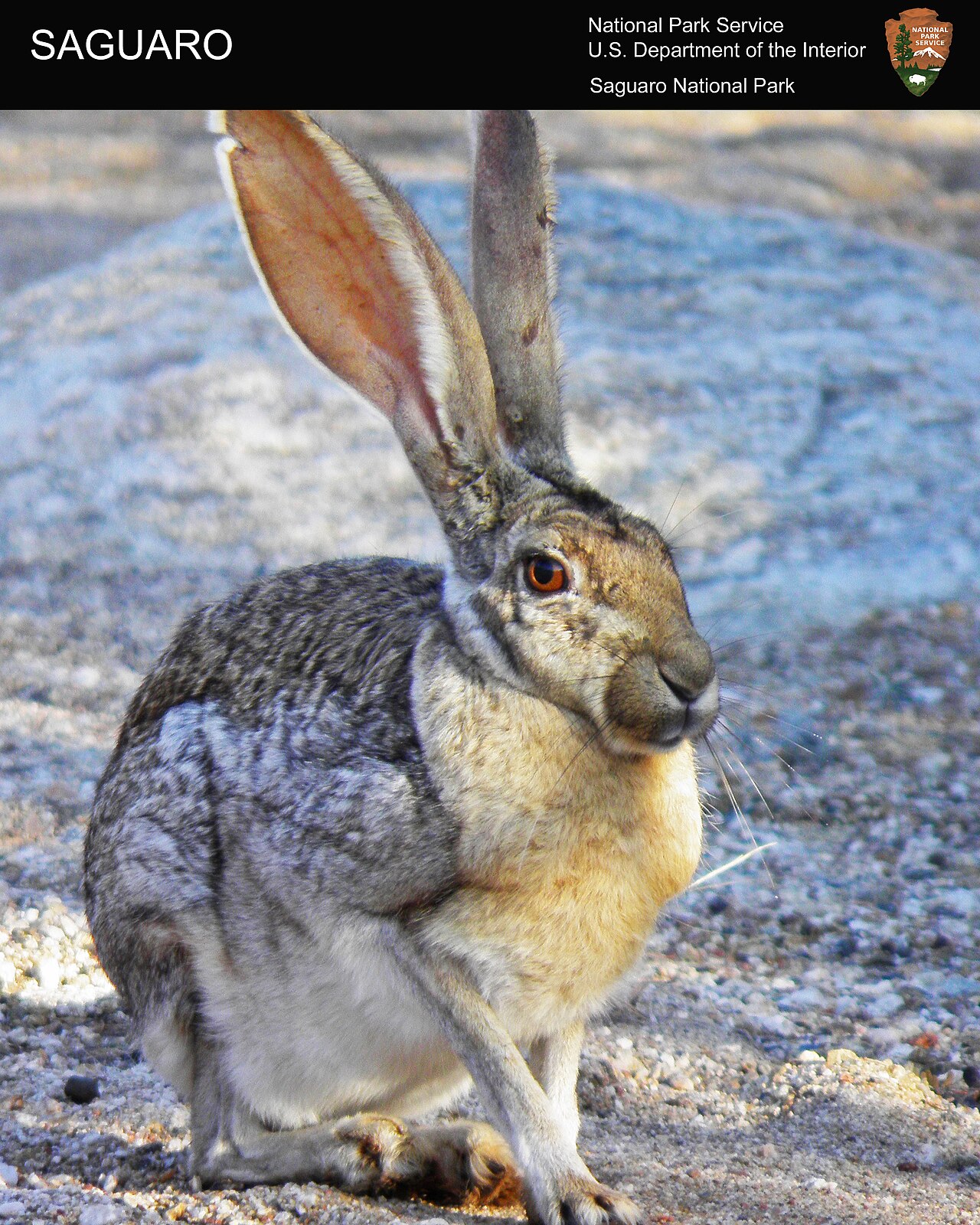
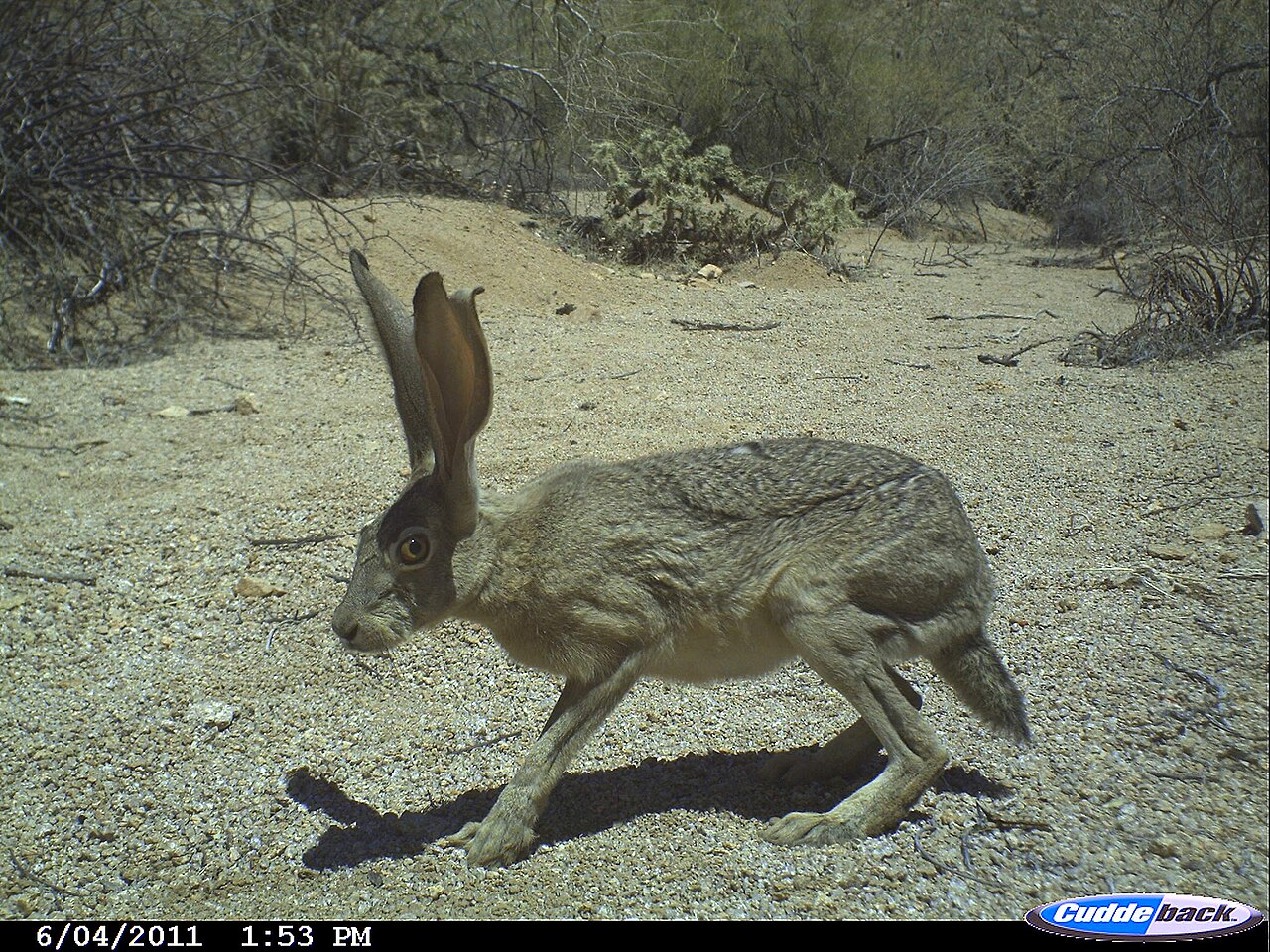
The antelope jackrabbit, also called Allen's hare, is a North American hare native to southern Arizona and northwestern Mexico. It is often called the "handsomest" of the hares and lives in dry desert regions. It was among the last North American mammals to receive a formal scientific description. Fossil evidence shows the genus *Lepus* first appeared in North America about 2.5 million years ago. An extinct jackrabbit, *Lepus giganteus*, lived around the same time and looked so similar to the antelope jackrabbit that their fossils are hard to tell apart. These two species coexist in the same areas. The same study found that three *Lepus* species—the white-sided jackrabbit, the antelope jackrabbit, and the Tehuantepec jackrabbit—share a common ancestor, while the black-tailed jackrabbit belongs to a separate subclade. There are three recognized subspecies of antelope jackrabbit. In the United States, this hare lives in parts of Arizona, and in Mexico it is found in Chihuahua, Nayarit, Sinaloa, and Sonora, including Tiburón Island. Its range is smaller than that of other North American hares. It does not extend east of Arizona's sky islands or Mexico's Sierra Madre Occidental, nor west of Florence, Arizona. The antelope jackrabbit lives in tropical and subtropical habitats, such as grassy hills or plains, and prefers areas with large desert shrubs above tall grass. It also occurs in more barren deserts. Unlike the black-tailed jackrabbit, which tolerates drier conditions, the antelope jackrabbit favors more humid places. This har
- Scientific name
- Lepus alleni
- Named after
- Joel Asaph Allen
- Family
- Leporidae
- Range
- Southern Arizona and northwestern Mexico
- Top speed
- 72 km/h (45 mph)
- Conservation status
- Least concern (IUCN)
Lore & Background
Fossil evidence places the genus Lepus as having first appeared in North America approximately 2.5 million years ago. A now extinct jackrabbit species, Lepus giganteus, was thought to exist in North America during this time, sharing similar physical traits with the antelope jackrabbit, making it difficult to differentiate fossils of the two species. The black-tailed jackrabbit coexists with the antelope jackrabbit and the two species maintain a sympatric relationship. Based on this evidence, researchers also concluded that the black-tailed jackrabbit, though closely related to white-sided jackrabbits, exists in its own separate subclade. They placed the group containing these two species as sister to a group containing L. callotis and L. flavigularis.
Reader's Guide
The antelope jackrabbit is significant as one of the last North American mammals to be formally described, and for its distinctive appearance and ecological role in dry desert areas of southern Arizona and northwestern Mexico. Its taxonomy has been subject to revision, with recent genetic studies clarifying its relationship to other jackrabbits, particularly the black-tailed jackrabbit. The species is classified as least concern by the IUCN, but faces threats from habitat loss due to agricultural expansion, grazing livestock, hunting for pelt and consumption, and predation by bobcats, coyotes, and golden eagles. The antelope jackrabbit's ability to reach speeds of 72 km/h (45 mph) and its crepuscular and nocturnal activity patterns are notable. Its diet includes cacti, grasses, and mesquite leaves, and it has been observed eating soil for minerals. The species breeds from December to September, with a gestation period of roughly six weeks, and leverets are born precocial. Research on population dynamics and relationships with the black-tailed jackrabbit has been recommended.
Did You Know?
- It is considered the 'handsomest' of the hares and was one of the last North American mammals to be formally described.
Gallery
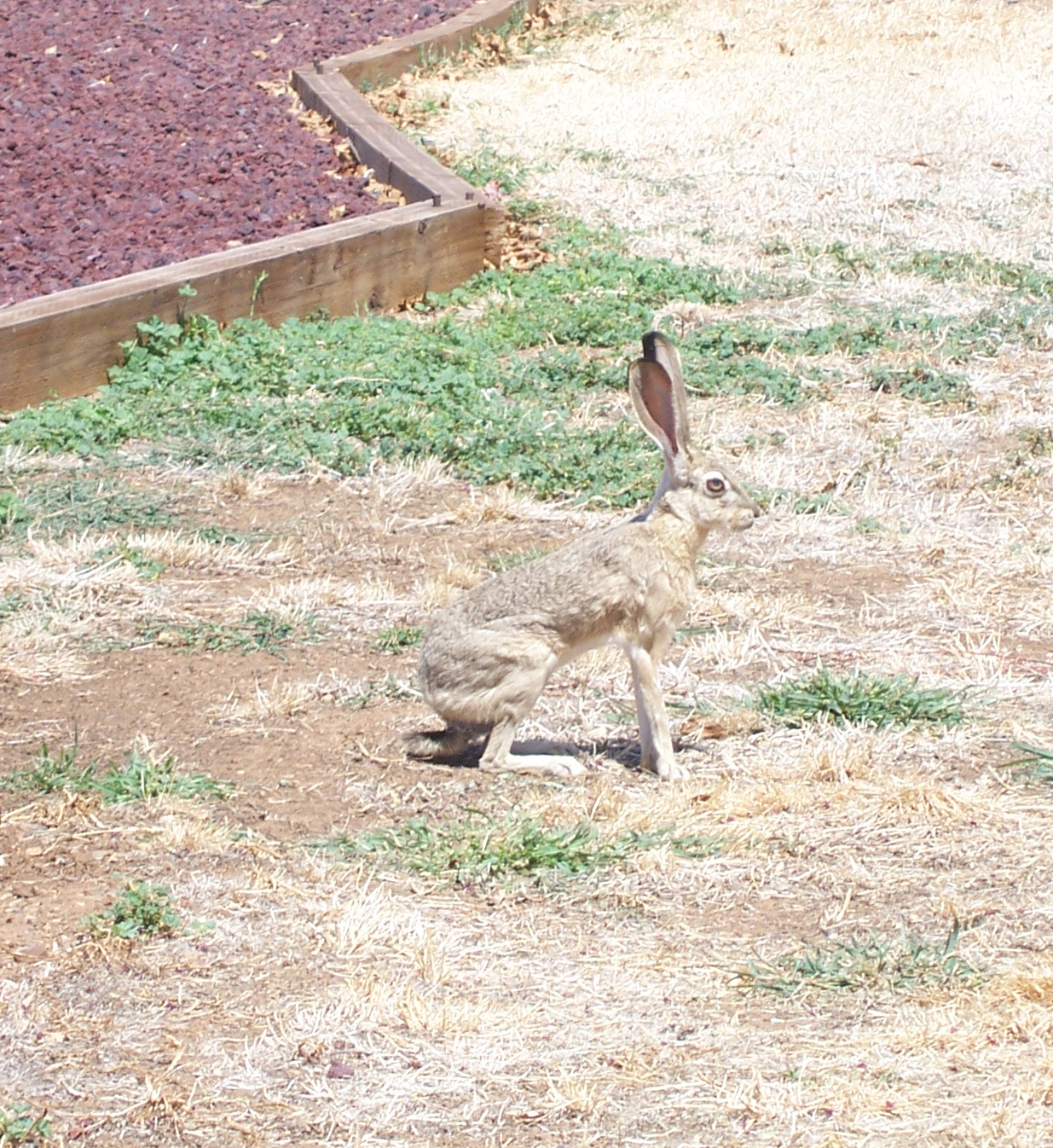
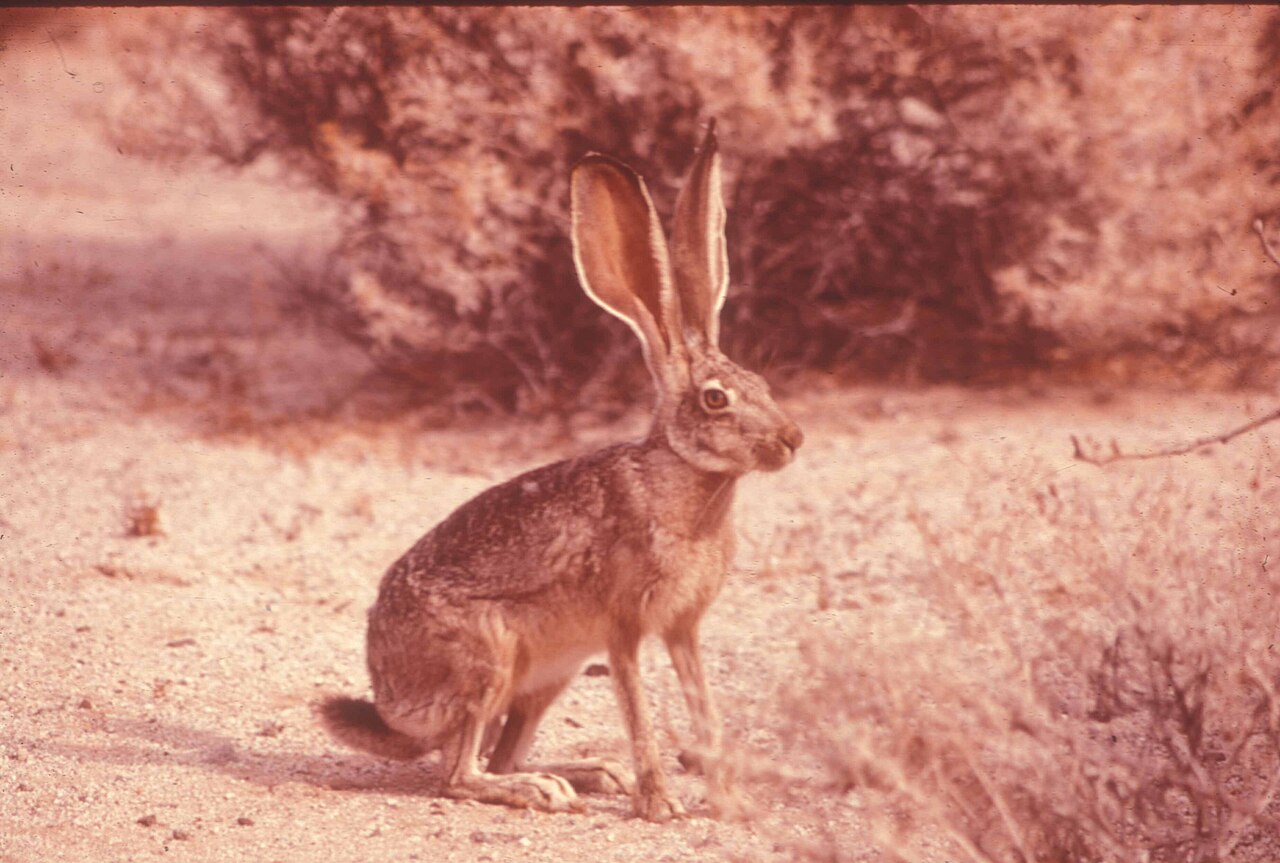
Frequently Asked Questions
Who is Antelope jackrabbit?
The antelope jackrabbit, more formally known as Allen's hare, is a large desert-dwelling hare native to the arid landscapes of southern Arizona and northwestern Mexico. It belongs to the family Leporidae and is often regarded as the most strikingly beautiful member of its genus.
What are Antelope jackrabbit's powers or role?
This hare can sprint at speeds reaching roughly 72 km/h (45 mph), making it one of the fastest land animals in its dry, open habitat. Its ecological role is that of a large-bodied, swift herbivore perfectly adapted to the harsh conditions of the Sonoran and Chihuahuan deserts.
How does Antelope jackrabbit's story end?
As a living species, the antelope jackrabbit has no narrative ending, though its genus Lepus first appeared in North America roughly 2.5 million years ago. It persists today as a resident of the desert regions where it was first catalogued.
More in Rodents And Lagomorphs 1-21
Spotted an error? Know more?
This is a living reference — every entry is fact-audited, and reader corrections feed straight into our audit queue. Suggest an edit · See this site's audit record