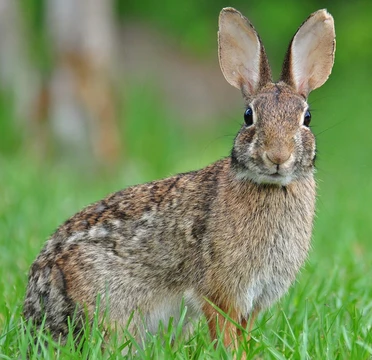
Black rat
A synanthropic rodent of global distribution and historical significance.

Courtesy of NIAID Ryan Kissinger · Public domain
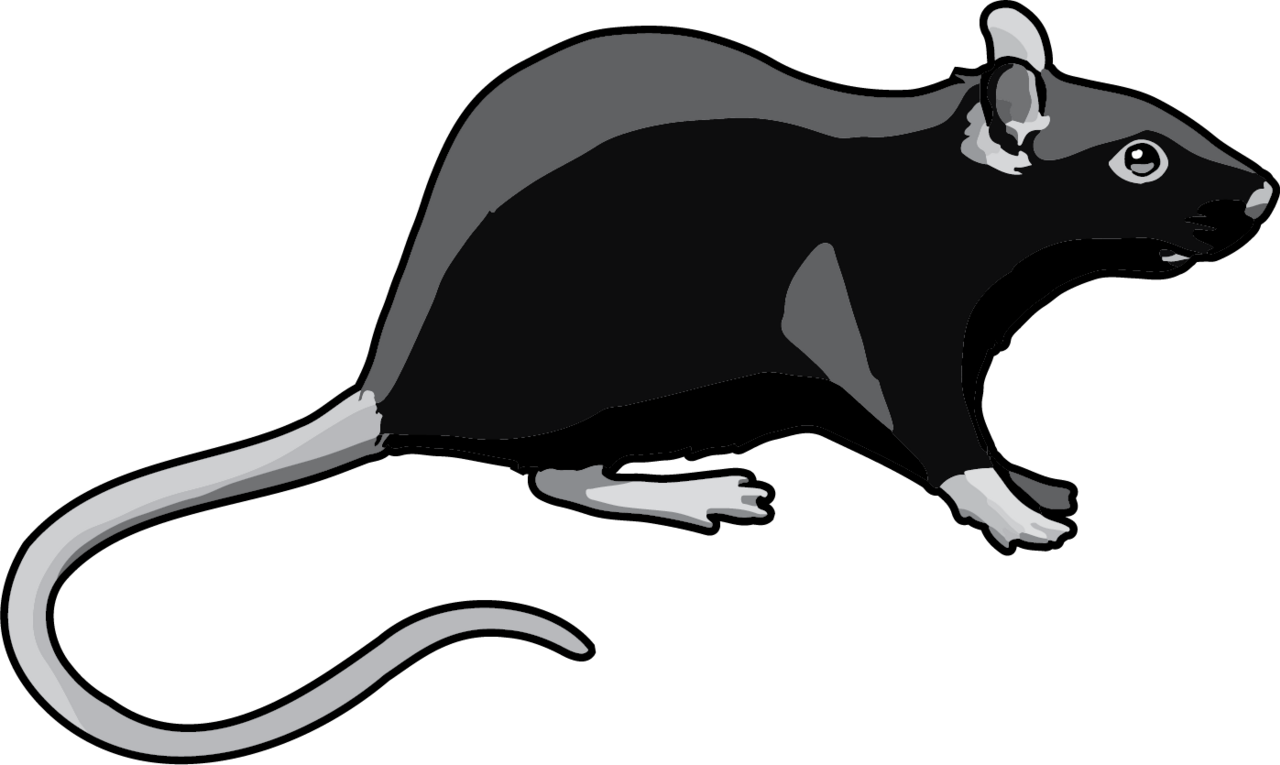
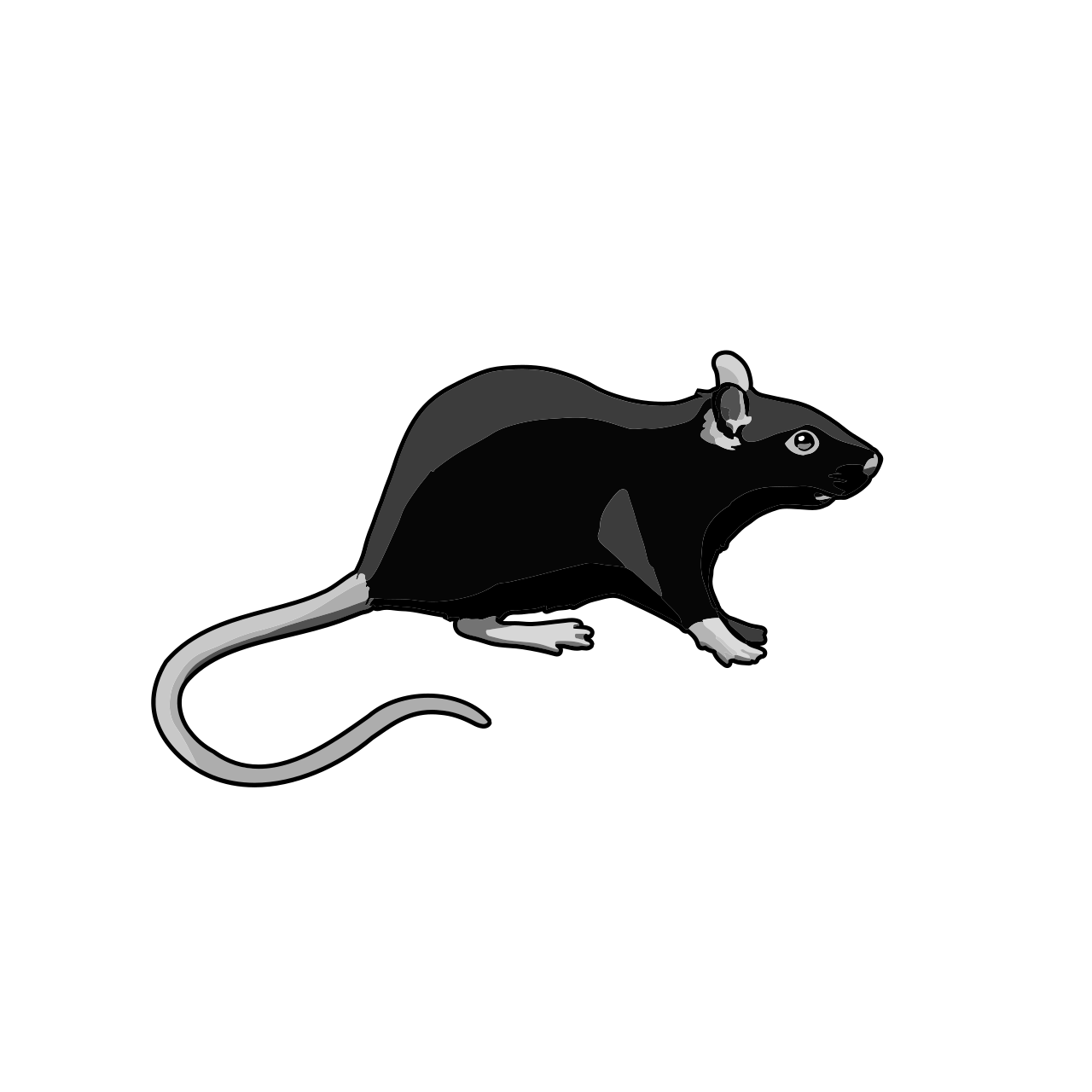
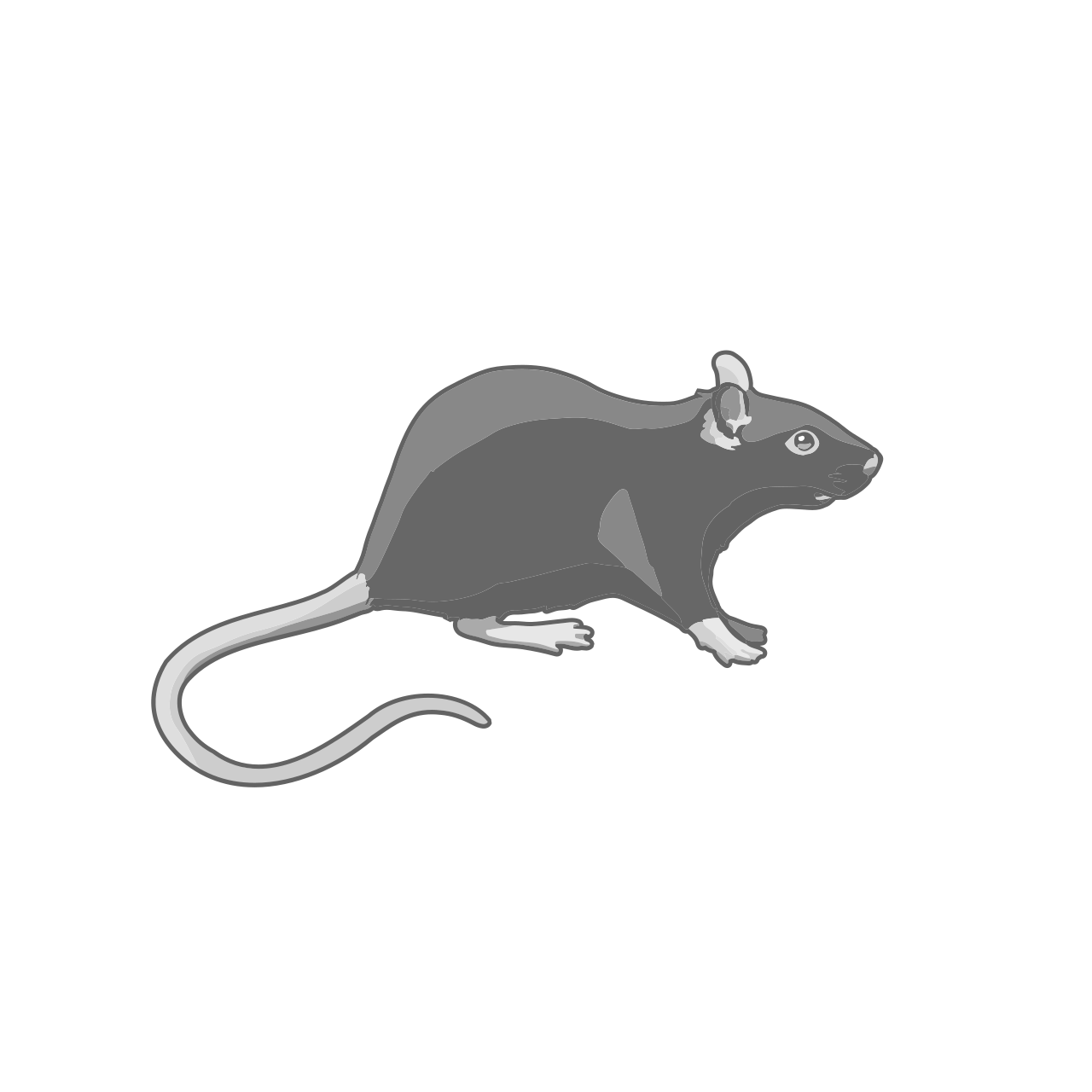
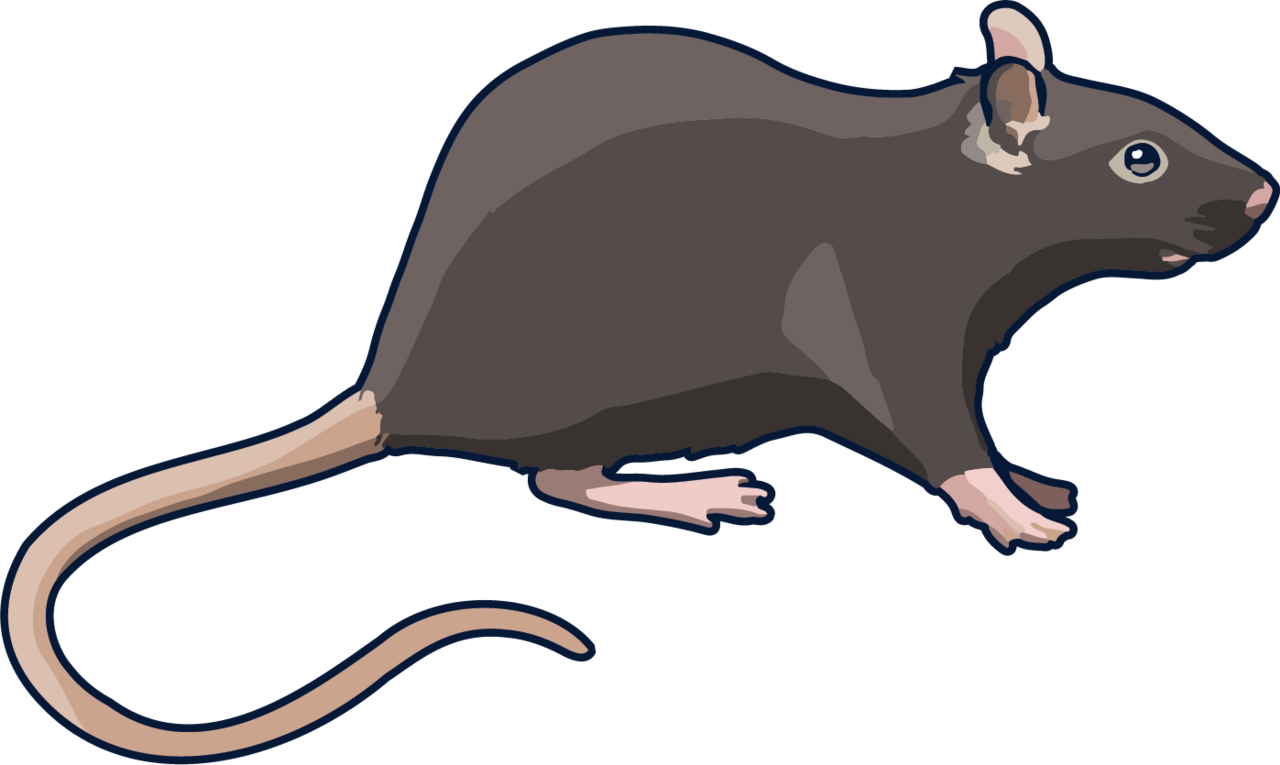
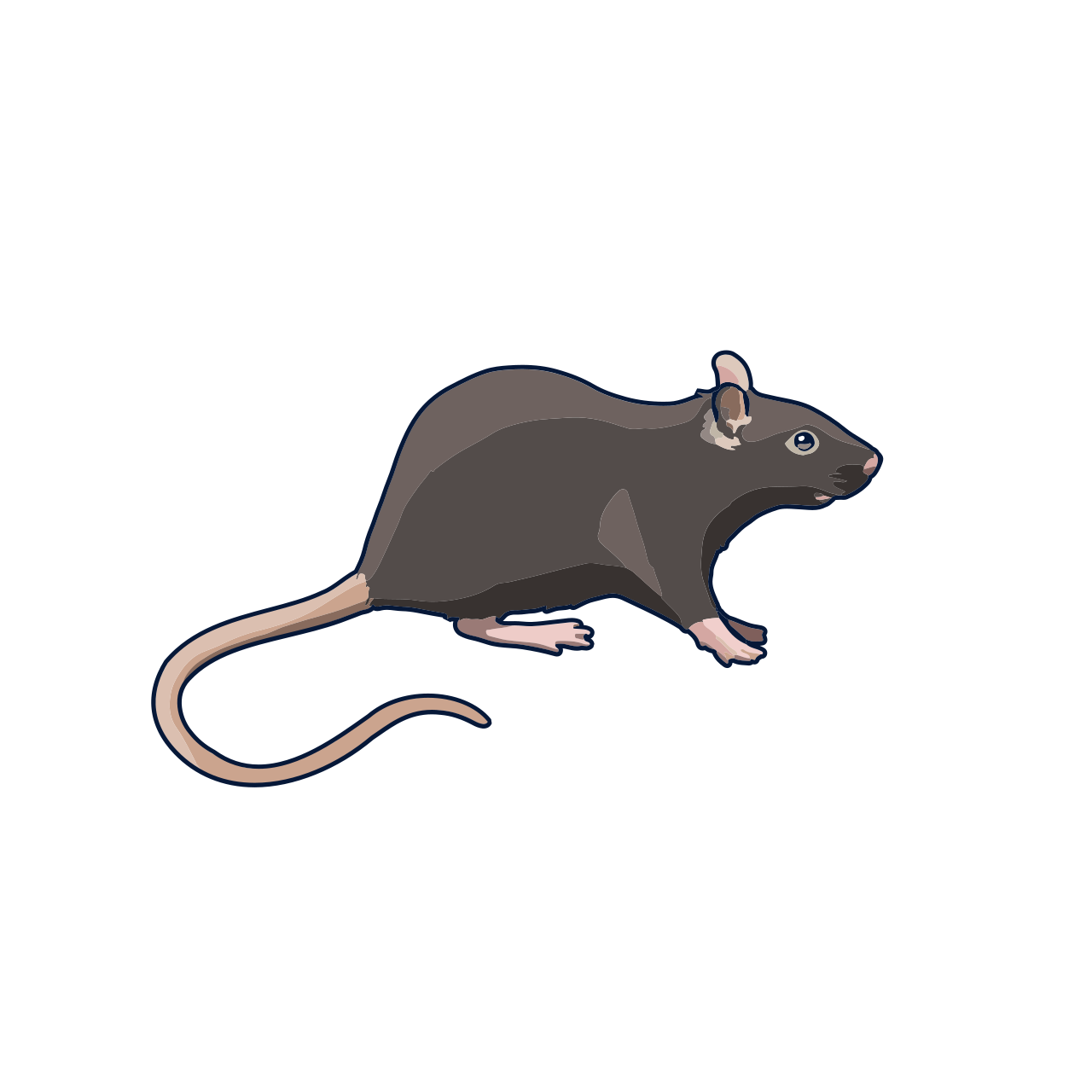
The black rat (Rattus rattus)—also called the roof rat, ship rat, or house rat—is a long-tailed rodent from the genus Rattus, part of the subfamily Murinae. As a generalist omnivore, it thrives on a broad range of foods and lives in close association with people; most of its populations are synanthropic. Thought to have first appeared in the Indian subcontinent, it now inhabits regions across the globe. Its fur ranges from black to light brown, with a paler belly. Farmers consider it a major pest because it consumes many types of agricultural crops. Though sometimes kept as a pet, most domesticated rats belong to a subspecies of the brown rat. In certain parts of India, particularly at the Karni Mata Temple in Deshnoke, the black rat is regarded as sacred and treated with respect.
- scientific_name
- Rattus rattus
- also_known_as
- roof rat, ship rat, house rat
- typical_length
- 12.75–18.25 cm (excluding tail)
- typical_weight
- 75–230 g
- native_region
- Indian subcontinent
- current_distribution
- worldwide
- known_for
- pest to agriculture, historical association with plague
Lore & Background
The black rat was present in prehistoric Europe and the Levant during postglacial periods. It spread throughout Europe with the Roman conquest but declined around the 6th century, possibly due to collapse of the Roman grain trade, climate cooling, or the Justinianic Plague. A genetically different population of haplogroup A replaced the Roman population in medieval times. It is a resilient vector for many diseases. It was formerly thought to have played a primary role in spreading plague bacteria via fleas, but recent studies have called this into question, suggesting humans themselves may have been the vector, as the movements of epidemics and black rat populations do not show historical or geographical correspondence. Black rats adapt to a wide range of habitats, from urban buildings to wild cliffs and trees. They are great climbers and prefer dry upper levels of structures. Their nests are spherical and made of shredded material. They are generally territorial, with females more aggressive than males. They breed year-round, with females producing up to five litters per season. They typically live about one year in the wild and up to four years in captivity.
Reader's Guide
The black rat's significance lies in its long association with human civilization, both as a pest and as a vector of disease. It has been a prominent agricultural pest, feeding on a wide range of crops, and has been implicated in historical plague outbreaks, though recent research questions the extent of its role. Its ability to adapt to diverse environments—from urban warehouses to forests—has enabled its global spread. The species has largely been supplanted in cooler regions by the larger, more aggressive brown rat (Rattus norvegicus), but remains common in warmer areas. Its cultural importance is notable in parts of India, where it is considered sacred. The black rat also serves as a subject of scientific study regarding behavior, reproduction, and disease ecology. Its history reflects broader patterns of human migration, trade, and environmental change.
Did You Know?
- The black rat likely originated in the Indian subcontinent but is now found worldwide.
- It was formerly thought to have played a primary role in spreading the plague, but recent studies have called this into question.
- In parts of India, the black rat is considered sacred, notably at the Karni Mata Temple in Deshnoke.
- Black rat populations can increase exponentially under certain circumstances, such as the fruiting of bamboo, causing devastation to subsistence farmers.
Dental Architecture & the Mechanics of Feeding
The black rat, like every member of the order Rodentia, is defined by a single pair of incisors in each jaw that never stop growing. Enamel coats the front face of these teeth while the rear remains bare, so constant gnawing is essential to prevent the teeth from elongating to the point of piercing the skull. As the upper and lower incisors grind together, the softer dentine on the back wears faster than the harder enamel on the front, producing a self-sharpening, chisel-like cutting edge. The black rat carries between twelve and twenty-eight teeth in total, typically fewer than twenty-two, and possesses no canines at all. A gap called a diastema separates the incisors from the cheek teeth, letting the animal draw in and reject inedible material while chipping it off with the front teeth. The molars carry a complexly ridged surface suited to grinding food into fine particles, and the powerful masseter muscle—accounting for sixty to eighty percent of total masticatory muscle mass—drives the chewing stroke. Because of cranial anatomy, gnawing with the incisors and grinding with the molars cannot happen simultaneously; the lower jaw thrusts forward for one action and shifts back for the other.
Pest Status & the Human Conflict
Among the many rodent species that humans encounter, the black rat is singled out as one of the most damaging. Together with the brown rat and the house mouse, it is identified as a serious pest that consumes and spoils food stored by people and transmits diseases. Rodents are native to every major landmass except Antarctica, yet humans have since introduced them to nearly all the places where they were originally absent. When the black rat appears in a region outside its native range, it is typically the product of human-mediated transport, and such accidentally introduced rodent species are frequently classified as invasive. Once established, the black rat entrenches itself in human-made environments, exploiting the fact that rodents as a group can be found in almost every terrestrial habitat. Its adaptability makes eradication difficult. The pest problem is further compounded by rodent sociality: these animals tend to live in groups with complex ways of communicating, so a single sighting often signals a larger, organized population already feeding and reproducing in the vicinity. The black rat's success as a pest is thus rooted in both its biological traits and its intimate association with human settlements.
Body Plan, Locomotion & Sensory Toolkit
The black rat shares the general rodent body blueprint: a robust, compact torso supported by relatively short limbs. Its forefeet carry five digits, one of which functions as an opposable thumb, while the hind feet bear three to five digits. The elbow joint grants the forearms considerable flexibility, and the majority of rodent species walk plantigrade, placing the entire foot on the ground. Claw-like nails of varying size cover the digits, and the first digit typically retains a distinct nail used in handling food. This combination of a dexterous thumbnail and precise incisor work allows rodents to crack open hard seeds and nuts, a feeding niche they presently dominate. Most rodents possess a tail of some shape and size, ranging from bushy to nearly bare, and in certain species a broken tail can regenerate. Locomotion in rodents spans a wide spectrum: quadrupedal walking, running, climbing, burrowing, swimming, and in some lineages even gliding. The black rat's well-developed sense of smell and hearing, along with long sensitive whiskers whose action is driven largely by the brain stem, equip it to navigate dark, cluttered environments where it forages and avoids threats.
Evolutionary Heritage & Ecological Breadth
The black rat belongs to an order that represents roughly forty percent of all living mammal species, a testament to the extraordinary diversification rodents have undergone since their origins. The fossil record places the earliest rodents in the Paleocene of Asia, and the group expanded rapidly during the Eocene, spreading across continents and even crossing ocean barriers. From Africa, rodent lineages reached South America and Madagascar, and until Homo sapiens arrived, rodents were the only terrestrial placental mammals to colonize Australia. Rodentia and Lagomorpha—rabbits, hares, and pikas—form a sister-group clade called Glires, sharing a single common ancestor; the distinction is that lagomorphs carry an extra pair of upper incisors. Within this vast radiation, the black rat occupies a niche shaped by millions of years of adaptation. Rodents inhabit nearly every terrestrial habitat on Earth, from arboreal canopies to underground burrows to semiaquatic margins, and their social structures range from monogamous pairs to promiscuous groups. Many species give birth to altricial, underdeveloped young, while others produce precocial litters, and the black rat's reproductive strategy fits within this broad spectrum of rodent life histories.
Gallery
Frequently Asked Questions
What is the Black rat?
The Black rat (Rattus rattus) is a small, long-tailed rodent in the Murinae subfamily, widely known by nicknames such as roof rat, ship rat, or house rat. It is one of the most globally widespread rodent species because it lives in close association with human settlements.
How big is a Black rat and what does it look like?
Adults measure roughly 12.75 to 18.25 cm in body length (tail excluded) and weigh between 75 and 230 grams. Their coat ranges from dark black to light brown on the back, with a noticeably paler belly.
Where does the Black rat live?
The species most likely originated in the Indian subcontinent but has since established populations across virtually every inhabited region of the globe. It is a classic synanthropic animal, meaning it thrives wherever people are present.
Why is the Black rat considered a major pest?
As a generalist omnivore, it readily feeds on a wide variety of agricultural crops, causing substantial economic losses for farmers. Its adaptability to human environments combined with a broad diet makes it one of the most damaging rodent species worldwide.
Why is the Black rat historically significant?
It earned the nickname 'ship rat' because it stowed away on vessels and was carried to new continents along human trade and exploration routes. This passive dispersal mechanism allowed it to colonize regions far from its Indian subcontinent origin, making it one of the earliest animals to achieve a truly global distribution.
More in Rodents And Lagomorphs 1-21
Spotted an error? Know more?
This is a living reference — every entry is fact-audited, and reader corrections feed straight into our audit queue. Suggest an edit · See this site's audit record