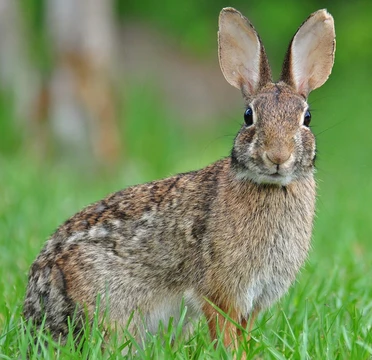
Ground squirrel
Rodents of the squirrel family that live on the ground or in burrows.

Pat Hansen · CC BY-SA 4.0
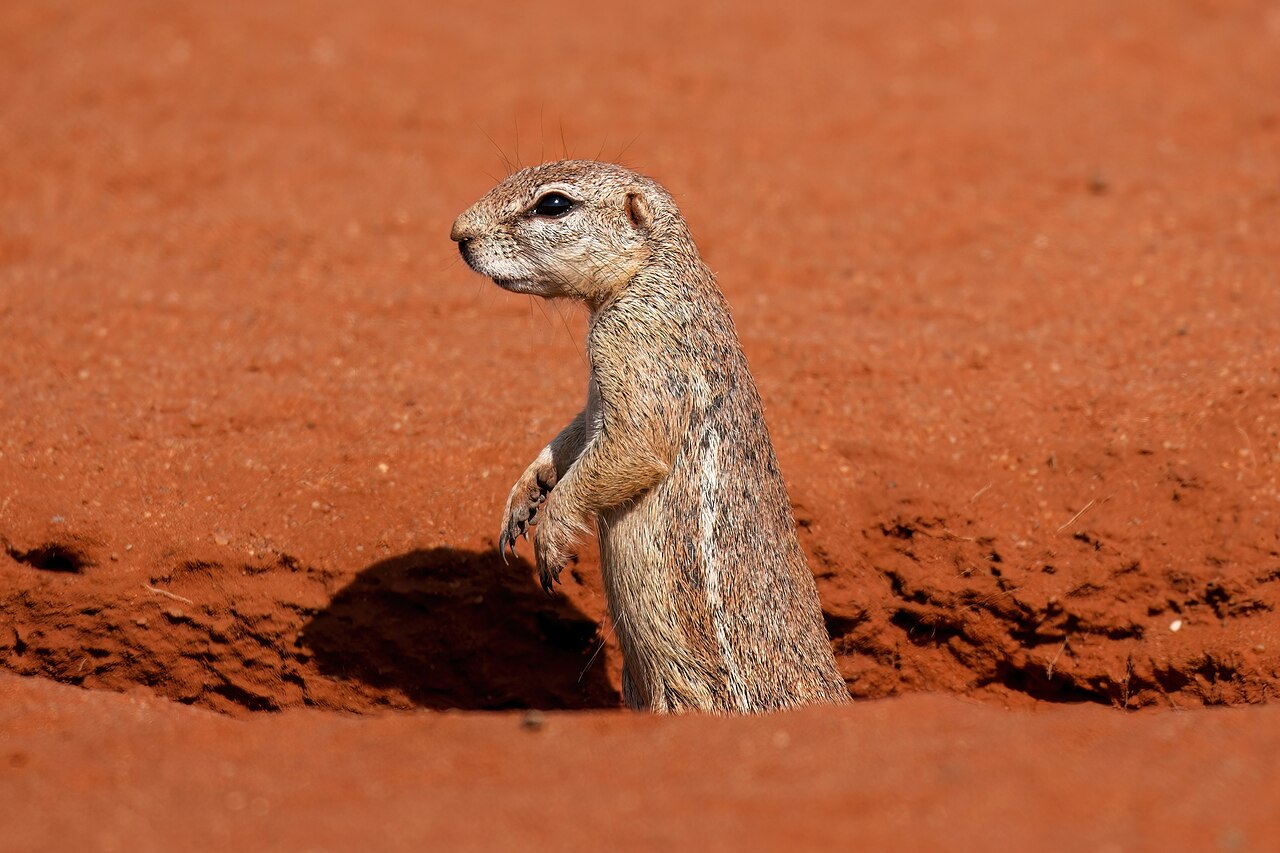
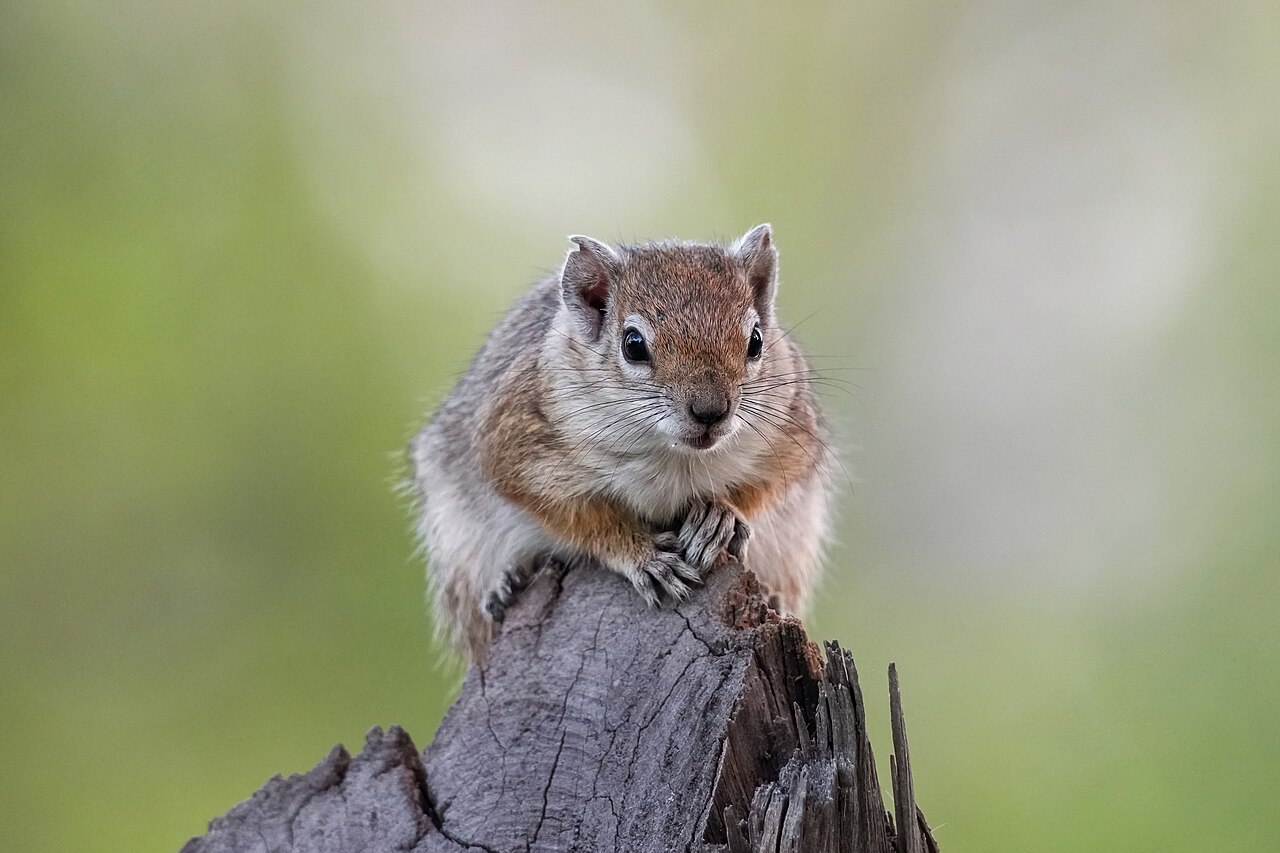
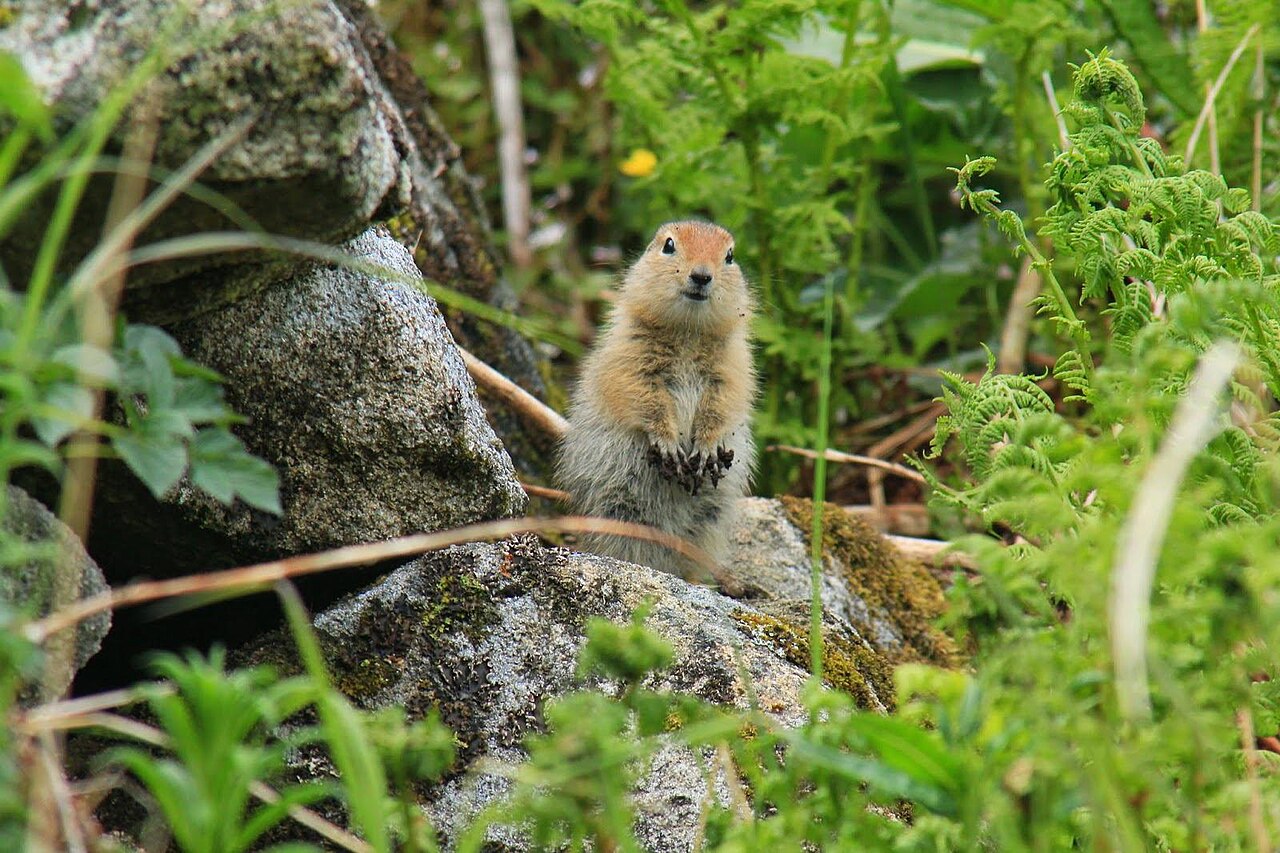
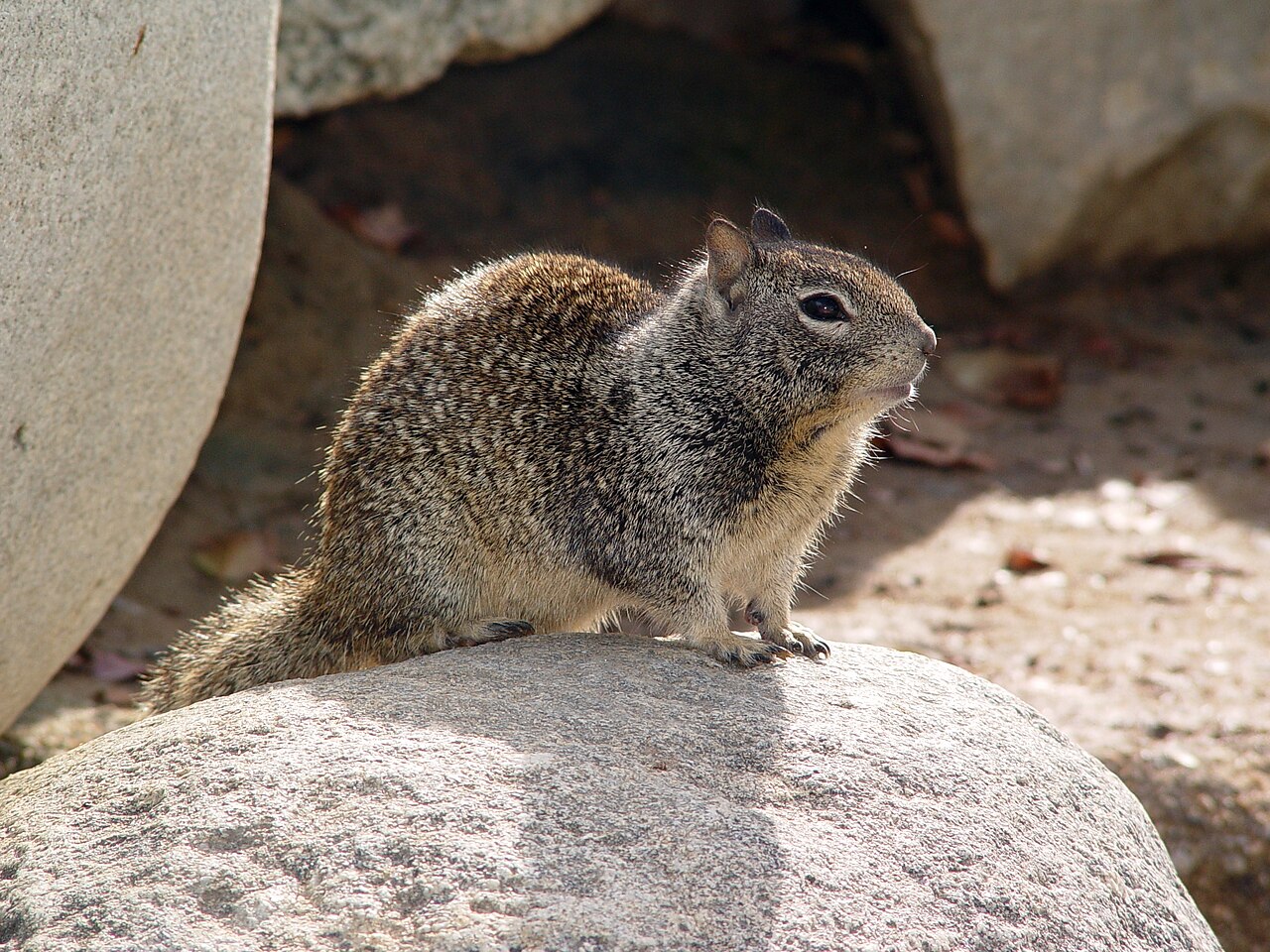
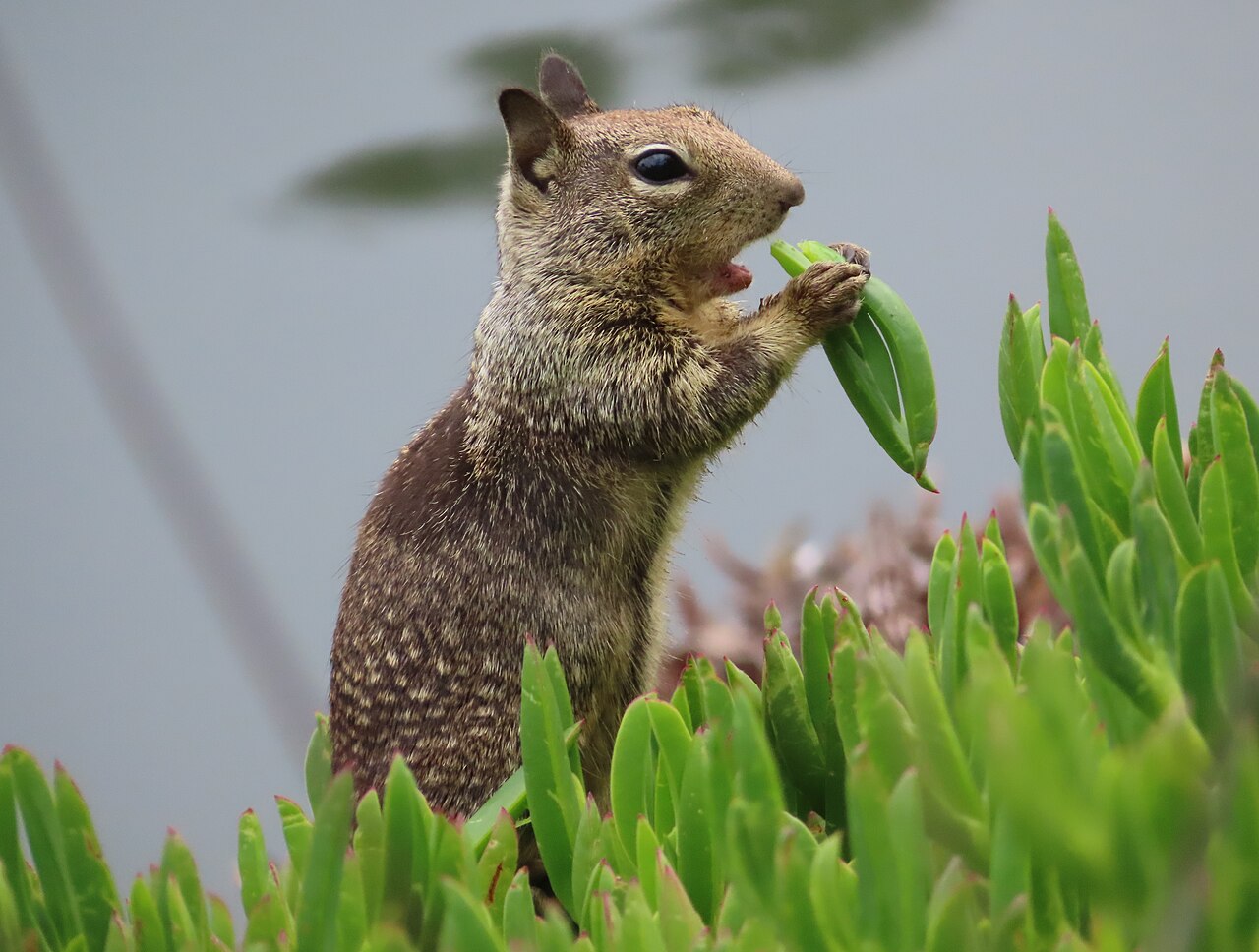
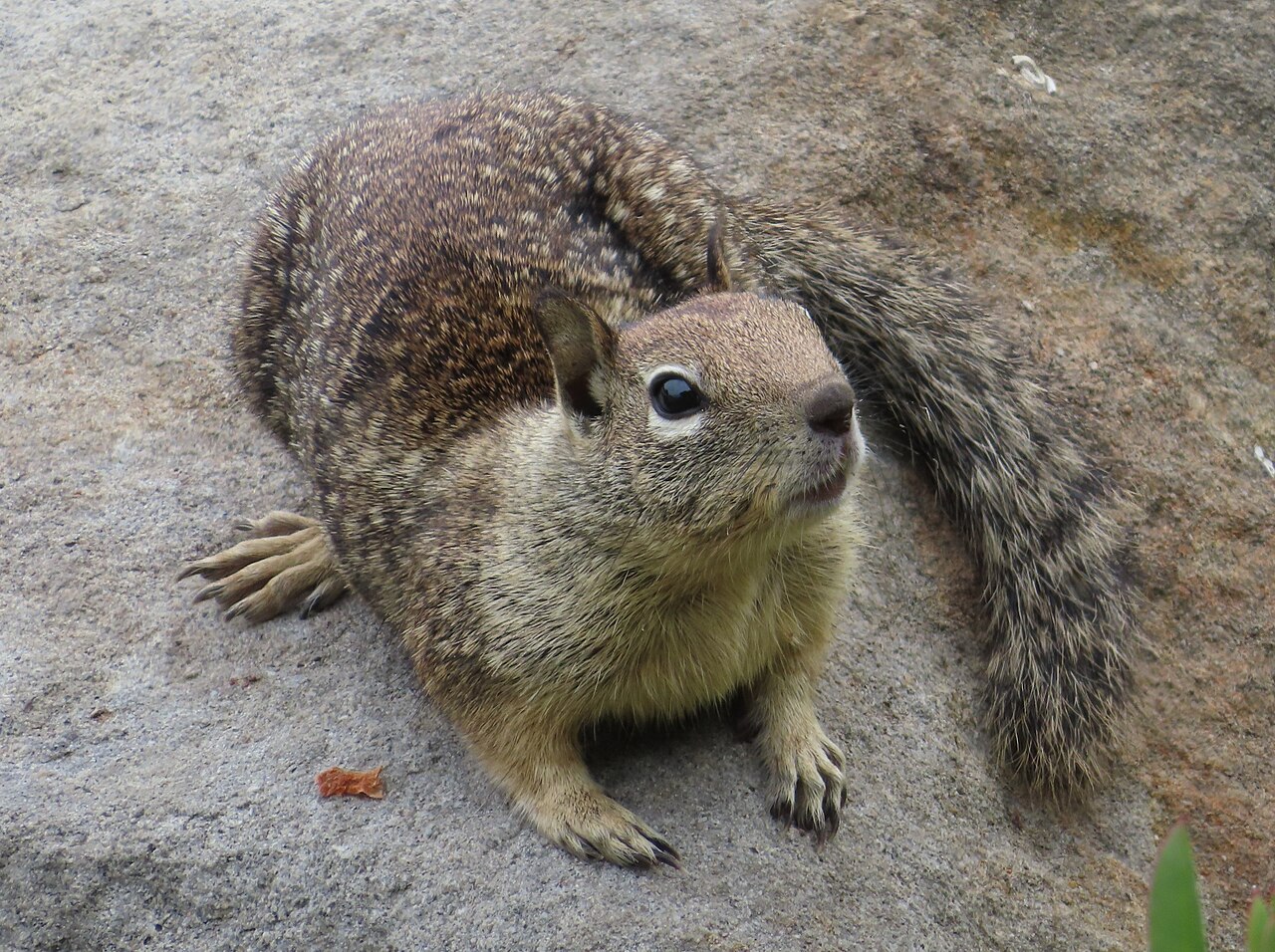
Ground squirrels are rodents of the squirrel family (Sciuridae) that generally live on the ground or in burrows, rather than in trees like tree squirrels. They make up the 'marmot tribe' of squirrels, Marmotini, a clade within the subfamily Xerinae, and include marmots, chipmunks, susliks, and prairie dogs. They are highly variable in size and habitus, but most are able to rise up on their hind legs and stand fully erect for prolonged periods, and they tend to be more gregarious than other squirrels, often living in colonies with complex social structures.
- group
- Marmotini (tribe of squirrels)
- size_range
- 7.2 to 30 inches (18 to 76 cm) in height
- diet
- Omnivorous: fungi, nuts, fruits, seeds, insects, eggs, small animals
- habitat
- Open areas including rocky outcrops, fields, pastures, sparsely wooded hillsides, grassy areas
- defense
- High-pitched warning calls and intricate burrow systems with multiple entrances
- oldest_fossil
- Palaeosciurus from the Early Oligocene, more than 30 million years ago
Lore & Background
Ground squirrels are a diverse group within the tribe Marmotini, which includes six living genera. Well-known members are marmots (including the American groundhog), chipmunks, susliks, and prairie dogs. They are largely Holarctic in distribution. The oldest known ground squirrel species is Palaeosciurus from Europe, dating to the Early Oligocene, more than 30 million years ago. The origin of Marmotini is unclear; subtribes probably diverged in the early to mid-Oligocene, with primitive marmots and chipmunks known from the Late Oligocene of North America. The fossil record of 'true' ground squirrels begins in the mid-Miocene, when modern susliks and prairie dogs already inhabited their present-day range. Dispersal between North America and Eurasia may have occurred via island-hopping across the Bering Straits or Greenland region, but the direction and timing remain unresolved. Expansion to Africa was likely prevented by competitive exclusion from their close relatives, the Protoxerini and Xerini.
Reader's Guide
Ground squirrels are significant as a widespread and ecologically important group of rodents that have adapted to open habitats across the Holarctic region. Their complex social structures and burrowing behavior have made them subjects of study in animal behavior and ecology. The tribe Marmotini includes several well-known species such as the American groundhog, prairie dogs, and chipmunks, which have cultural and scientific importance. The group's fossil record, stretching back over 30 million years, provides insights into mammalian evolution and biogeography, though many questions about their origins and dispersal remain unresolved. Their ability to stand upright and emit alarm calls has made them a model for understanding predator-prey dynamics. The ongoing taxonomic revisions, such as the generic revision of the genus Spermophilus, highlight the active research into their classification. Overall, ground squirrels represent a successful lineage of terrestrial squirrels that have diversified into a range of sizes and social systems, occupying niches from grasslands to rocky outcrops.
Did You Know?
- Ground squirrels can stand fully erect on their hind legs for prolonged periods.
- They spend about one-third of their time standing to watch for predators.
- The oldest known ground squirrel fossil, Palaeosciurus, dates from more than 30 million years ago.
- Certain marmots can weigh up to 8 kg (18 lb) or more, making them the heaviest squirrels.
The Gnawing Engine: Teeth, Muscles, and the Mechanics of Biting
Ground squirrels inherit one of the most remarkable dental systems in the animal kingdom. Their upper and lower jaws each carry a single pair of incisors that never stop growing, sheathed in hard enamel on the front while the softer dentine is exposed on the back. Because these teeth extend indefinitely, the animal must file them down through constant gnawing; left unchecked, they could grow long enough to pierce the skull. As the two surfaces grind together, the softer rear wears faster, perpetually sharpening the enamel into a chisel-like cutting edge. Squirrels, classified as sciuromorphous rodents, possess a particularly large and deep masseter muscle, which makes them highly efficient at driving those incisors into hard material. This muscle alone accounts for sixty to eighty percent of the total masticatory muscle mass. A curious side effect of this powerful attachment behind the eyes is that the eyeballs visibly shift up and down during rapid gnawing. Crucially, cranial anatomy prevents a squirrel from gnawing and chewing at the same time—the lower jaw thrusts forward for the incisors and retracts for the molars, so the two feeding actions must alternate.
Built for the Ground: Morphology and Movement
The typical ground squirrel presents a compact, robust frame with short limbs and a long tail, a body plan shared across the rodent order. The forefeet bear five digits, including an opposable thumb, while the hind feet carry three to five toes. Most species walk plantigrade, placing the entire foot on the ground, and their claw-like nails vary widely in size. A particularly useful feature is the nail on the first digit, which works in tandem with the dexterous incisors to handle hard seeds and nuts—a feeding niche rodents now dominate. The elbow joint grants the forearms considerable flexibility, aiding in climbing and manipulation. Tails range from bushy to nearly bald, and in some species a broken portion can even regenerate. Ground squirrels, like most of their relatives, possess keen senses of smell and hearing, along with long, sensitive whiskers called vibrissae that are largely driven by the brain stem for tactile exploration. Their locomotor repertoire includes quadrupedal walking, running, burrowing, and climbing, and they can be found in nearly every terrestrial habitat on Earth, including human-made environments.
Social Lives and Reproductive Strategies
Ground squirrels belong to an order that makes up roughly forty percent of all mammal species, and they share a social nature with many of their relatives. Rodents tend to be gregarious, and numerous species organize into societies with complex communication systems. Mating arrangements across the order span the full spectrum: some pairs are monogamous, others practice polygyny, and still others are promiscuous. Reproductive output also varies—many species produce litters of small, underdeveloped, altricial young that require extended parental care, while others give birth to precocial offspring that are relatively well-developed at the moment of delivery. Dietarily, most rodents are herbivorous, feeding on plant material, though some species maintain more varied menus. Ground squirrels, as members of this highly diverse group, occupy fossorial niches and can be found in almost every terrestrial habitat, from natural landscapes to human-altered environments. Their native range covers every major landmass except Antarctica and a few isolated oceanic islands, though human activity has since introduced rodent species to nearly all of those previously unoccupied places.
A Deep and Wandering Lineage
The evolutionary story of ground squirrels is inseparable from that of the entire rodent order, whose fossil record stretches back to the Paleocene epoch in Asia. During the Eocene, rodents underwent a dramatic diversification, spreading across continents and in some cases even crossing oceans. From Africa, rodent lineages reached both South America and Madagascar, and until the arrival of Homo sapiens, rodents were the only terrestrial placental mammals to reach and colonize Australia. This extraordinary biogeographic spread underscores how adaptable the group has been over millions of years. Taxonomically, Rodentia and Lagomorpha—rabbits, hares, and pikas—are sister groups that share a single common ancestor, together forming the clade known as Glires. While lagomorphs also possess continuously growing incisors, they are set apart by an additional pair of upper incisors, a distinction that underscores the unique dental architecture of true rodents. Today, well-known members of this order include mice, rats, squirrels, prairie dogs, porcupines, beavers, guinea pigs, and hamsters, all united by that single defining trait: the ever-growing pair of chisel-edged front teeth.
Gallery
Frequently Asked Questions
What is a ground squirrel?
Ground squirrels are members of the squirrel family (Sciuridae) that prefer to live on the ground or in underground burrows rather than up in trees. They belong to the marmot tribe (Marmotini) within the subfamily Xerinae, a group that also includes marmots, chipmunks, susliks, and prairie dogs.
What do ground squirrels eat?
They are omnivorous, feeding on a mix of fungi, nuts, fruits, seeds, insects, eggs, and occasionally small animals.
How do ground squirrels protect themselves from predators?
They rely on high-pitched alarm calls to alert colony members and on elaborate burrow networks with multiple entry points to escape danger.
Where do ground squirrels live and how social are they?
They favor open environments such as rocky outcrops, fields, pastures, sparsely wooded hillsides, and grassy areas. Unlike many other squirrels, they tend to be quite gregarious, often forming colonies with complex social structures, and most species can stand fully upright on their hind legs for extended periods.
More in Rodents And Lagomorphs 1-21
Spotted an error? Know more?
This is a living reference — every entry is fact-audited, and reader corrections feed straight into our audit queue. Suggest an edit · See this site's audit record