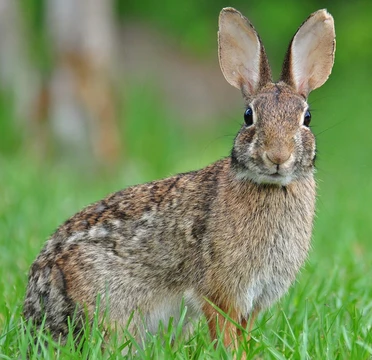
Gopher
Burrowing rodents of North and Central America with fur-lined cheek pouches.

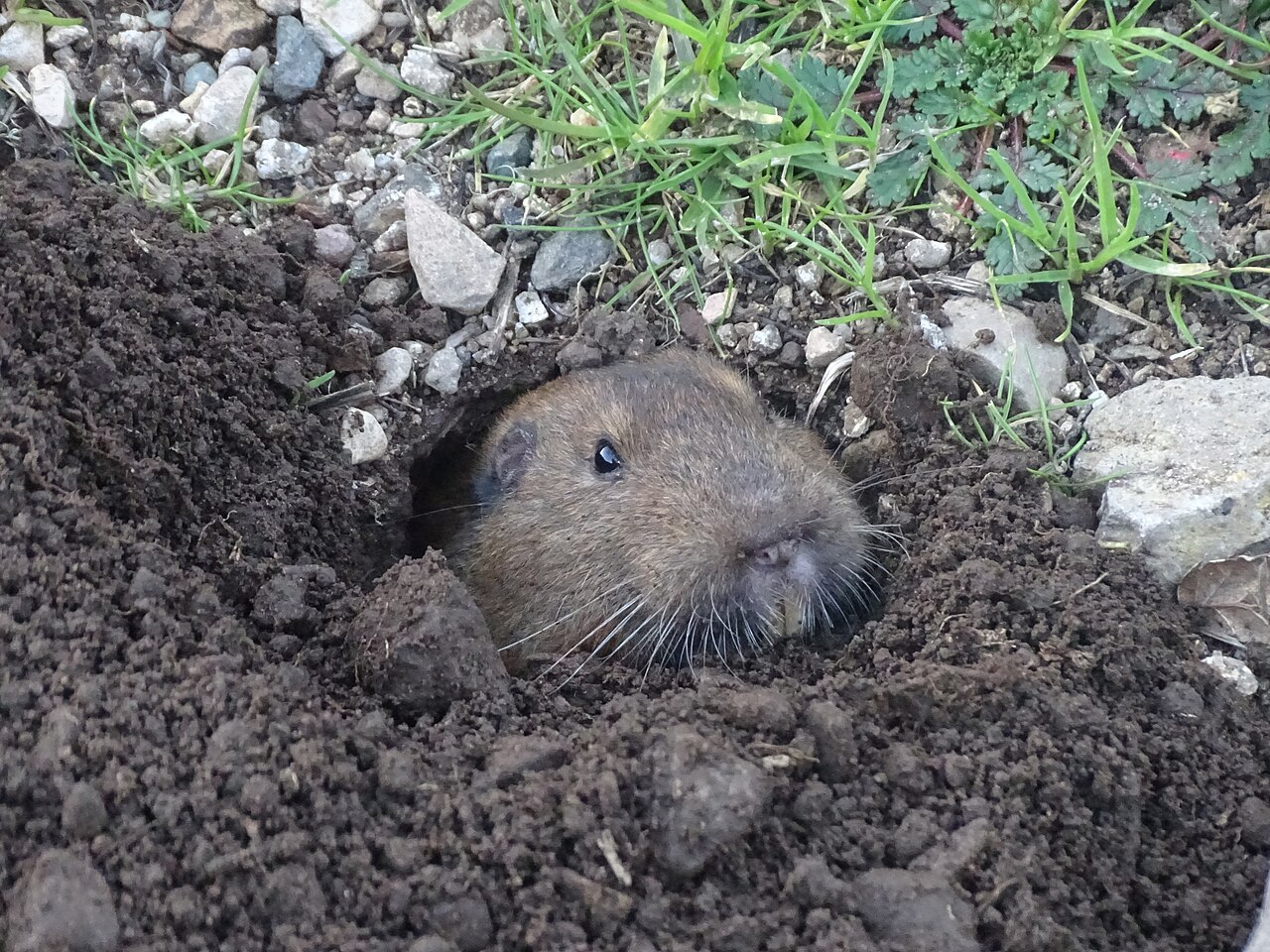
VSerebrenikov · CC BY 4.0
Pocket gophers—often just called gophers—are burrowing rodents that belong to the family Geomyidae. There are about 41 species, and they all live only in North and Central America. They’re best known for digging extensive tunnels and for the damage they can cause to farms and gardens. The term "pocket gopher" can refer to any of several genera within Geomyidae, which are the "true" gophers. However, some ground squirrels from the more distant family Sciuridae are also sometimes called gophers. Where the word "gopher" comes from isn’t clear; one idea is that it comes from the French *gaufre* (meaning "waffle"), because gopher tunnels look like the honeycomb pattern of holes in a waffle. Other sources suggest a Muskogean origin.
**Description** Pocket gophers weigh about 200 grams (half a pound) and measure 15–20 cm (6–8 inches) in body length, with a tail 2.5–5 cm (1–2 inches) long. A few species can reach nearly 1 kg (2.2 pounds). Within a given species, males are larger than females and can be almost twice as heavy. Their average lifespan is one to three years, with a maximum of about five years. Some gophers, like those in the genus *Geomys*, have been documented living up to seven years in the wild. Most have brown fur that closely matches the soil where they live. Their most distinctive feature is their large cheek pouches, which give them the "pocket" in their name. These pouches are lined with fur, can be turned inside out, and extend from the sides of the mouth back to the shoulders. Gophers have small eyes and a short, hairy tail, which they use to feel their way through tunnels when moving backward. They often carry external parasites, most commonly lice, but also ticks, fleas, and mites. Common predators include weasels, snakes, and hawks.
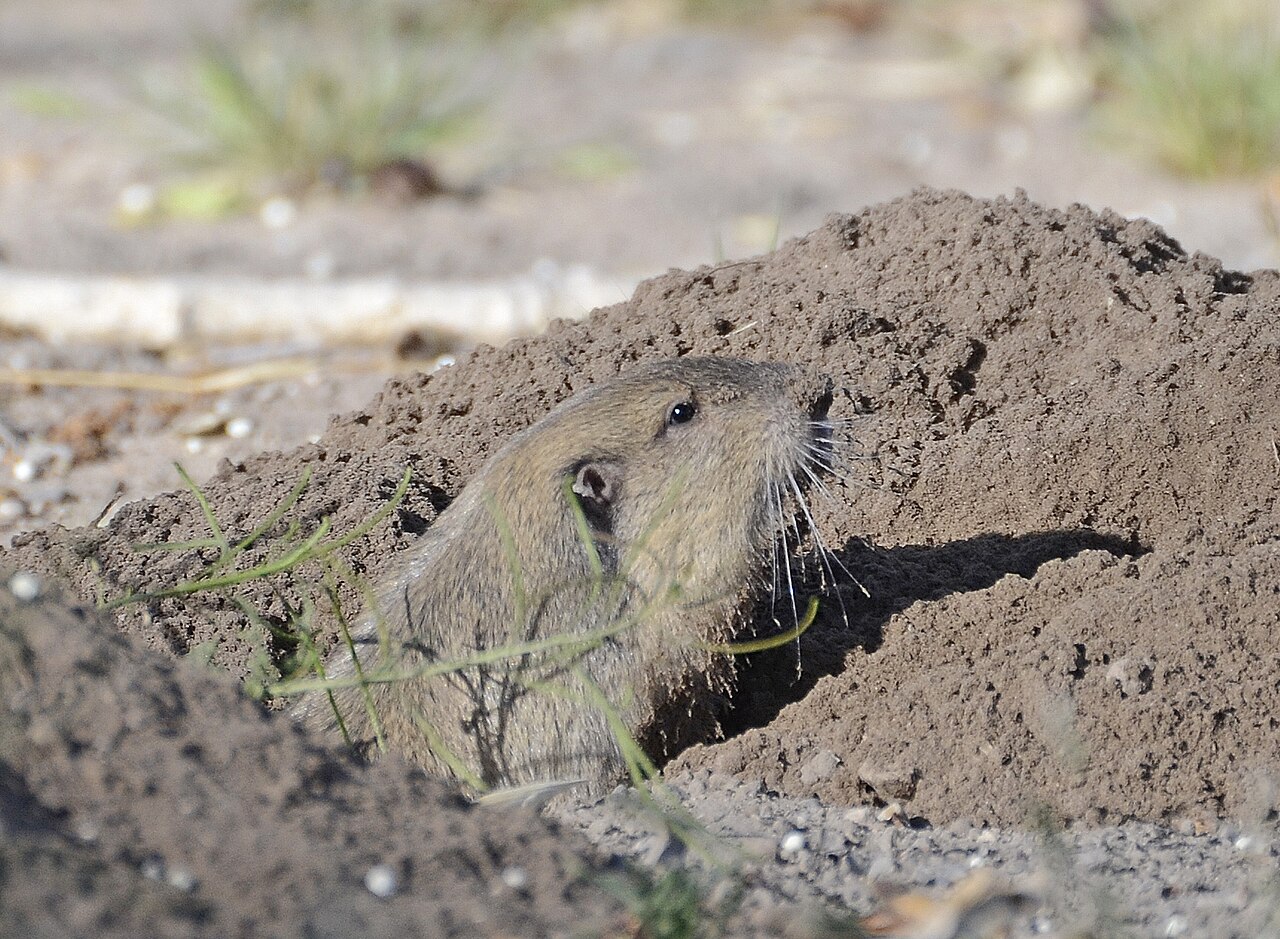
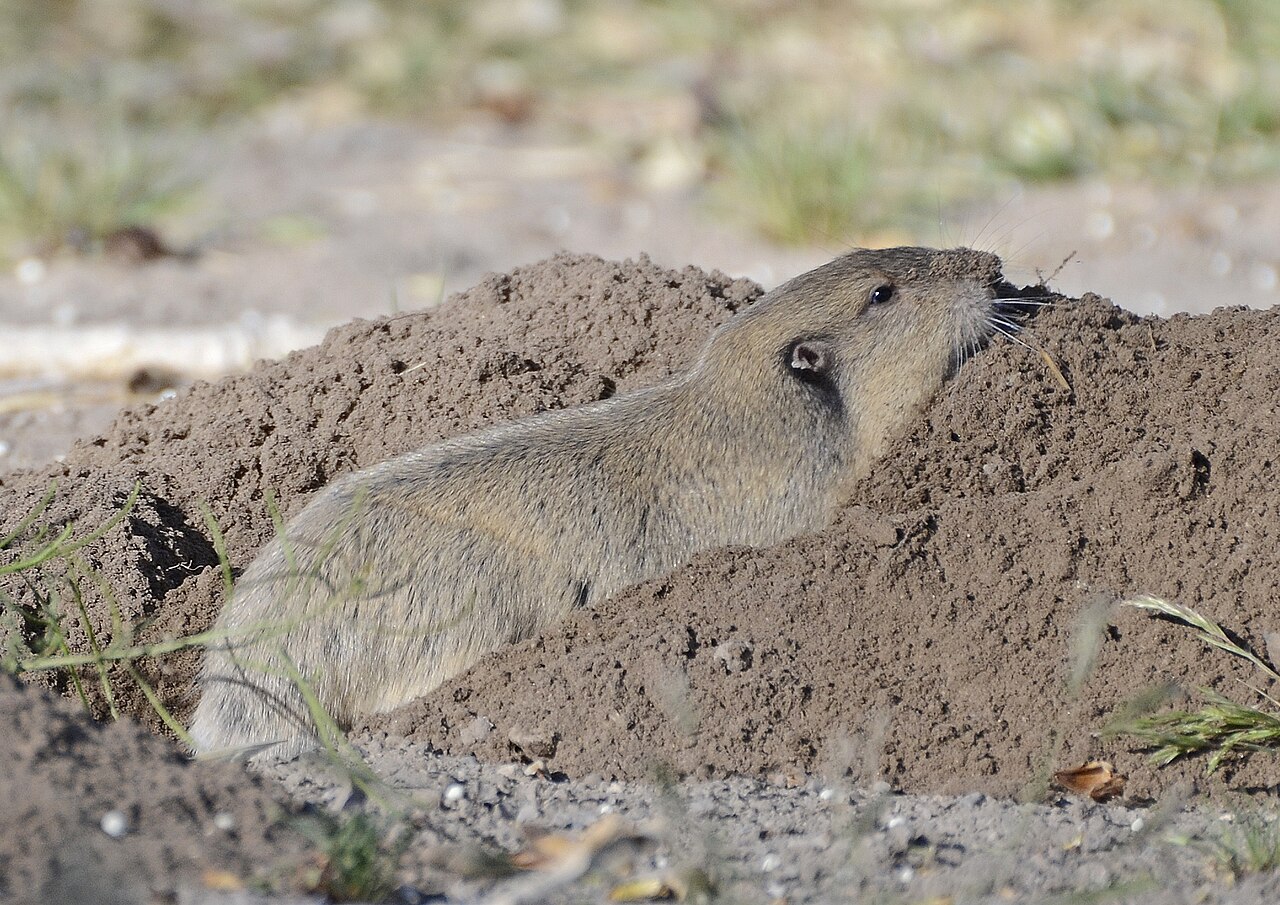
**Behavior** All pocket gophers build networks of tunnels that offer protection and a way to gather food. They are larder hoarders, using their cheek pouches to carry food back to their burrows, and they can stockpile large amounts. Unlike ground squirrels, gophers don’t live in large communities and rarely come above ground. Tunnel entrances are marked by small piles of loose soil covering the opening. They prefer areas where the soil is soft and easy to dig, and they often visit vegetable gardens, lawns, or farms because they like moist soil—which is why they’re frequently treated as pests. Gophers eat pl
- weight
- around 200 g (1⁄2 lb), with some species approaching 1 kg (2.2 lb)
- body_length
- 15–20 cm (6–8 in), tail 2.5–5 cm (1–2 in)
- lifespan
- average 1–3 years; maximum about 5 years; some Geomys up to 7 years
- field
- Burrowing rodents of the family Geomyidae
- known_for
- Extensive tunneling, large cheek pouches, and damage to farms and gardens
Lore & Background
Pocket gophers weigh around 200 g (1⁄2 lb) and are about 15–20 cm (6–8 in) in body length, with a tail 2.5–5 cm (1–2 in) long. A few species reach weights approaching 1 kg (2.2 lb). Within any particular gopher species, the males are larger than the females and can be nearly double their weight. Average lifespans are one to three years, with a maximum of about five years, though some Geomys species have been documented living up to seven years in the wild. Most gophers have brown fur that often closely matches the color of the soil in which they live. Their most characteristic features are their large cheek pouches, which are fur-lined, can be turned inside out, and extend from the side of the mouth well back onto the shoulders. Gophers have small eyes and a short, hairy tail, which they use to feel around tunnels when they walk backwards.
Reader's Guide
Pocket gophers are significant as both ecological engineers and agricultural pests. All pocket gophers create a network of tunnel systems that provide protection and a means of collecting food. They are larder hoarders, using their cheek pouches to transport food back to their burrows, and can collect large hoards. Unlike ground squirrels, gophers do not live in large communities and seldom find themselves above ground. Their tunneling in moist soil—often in vegetable gardens, lawns, or farms—has led to their frequent treatment as pests. However, the soil disturbance created by turning it over can lead to the early establishment of ecological succession in communities of r-selected and other ruderal plant species, and the stashing and subsequent decomposition of plant material in their larders can produce deep fertilization of the soil. Pocket gophers are solitary outside of the breeding season, aggressively maintaining territories. They may attack other animals, including cats and humans, and can inflict serious bites. Their classification remains debated among taxonomists, with several genera and species recognized. In popular culture, Minnesota is nicknamed the 'Gopher State', though the Golden Gopher refers to the Thirteen-lined ground squirrel, not a member of Geomyidae.
Did You Know?
- Pocket gophers have fur-lined cheek pouches that can be turned inside out and extend from the side of the mouth well back onto the shoulders.
- The origin of the word 'gopher' is uncertain; the French gaufre, meaning 'waffle', has been suggested due to the honeycomb-like pattern of gopher tunnels.
- Some gophers in the genus Geomys have lifespans documented as up to seven years in the wild.
- Geomys and Thomomys species are classed as 'prohibited new organisms' under New Zealand's Hazardous Substances and New Organisms Act 1996.
Gallery
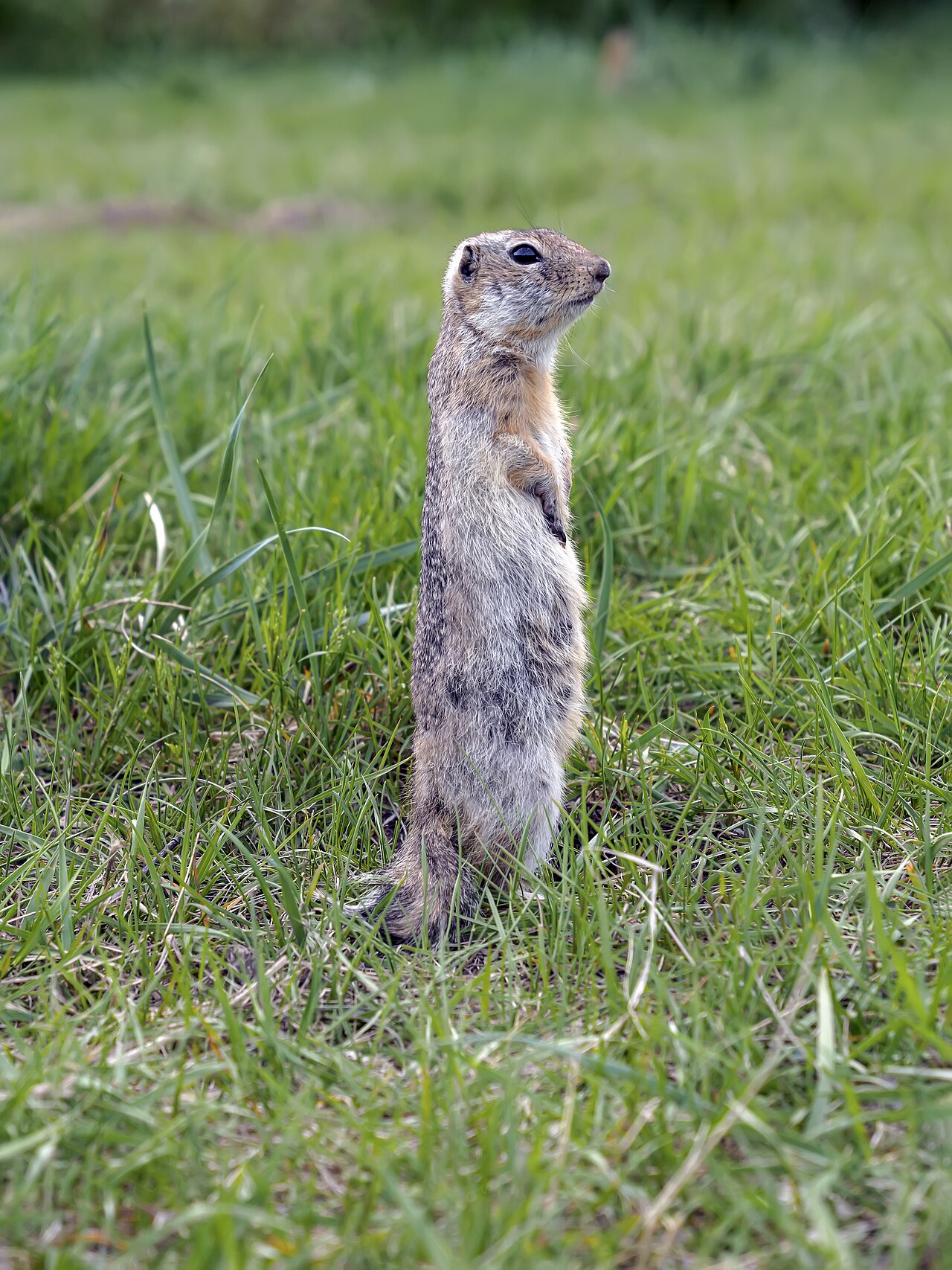
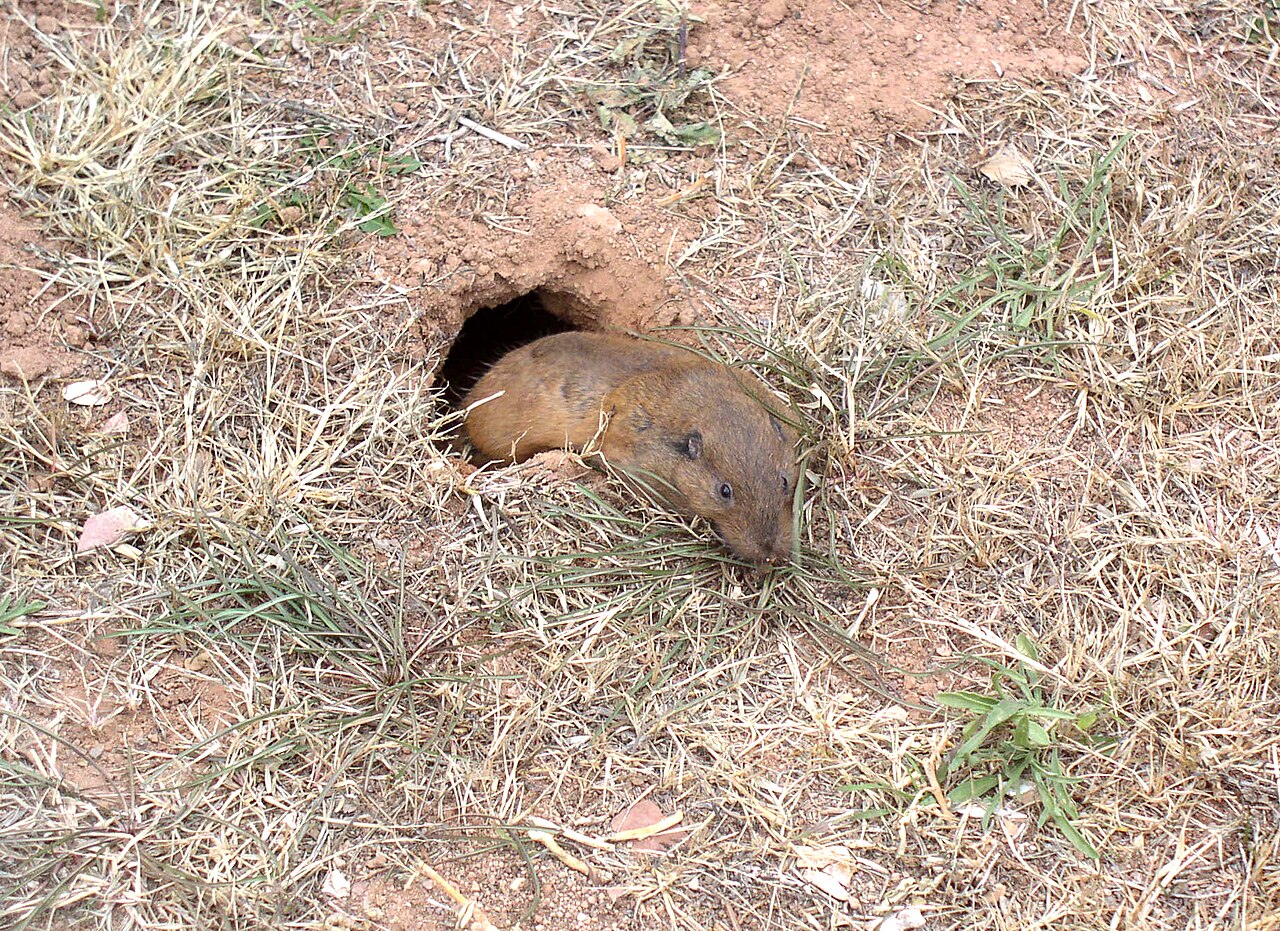
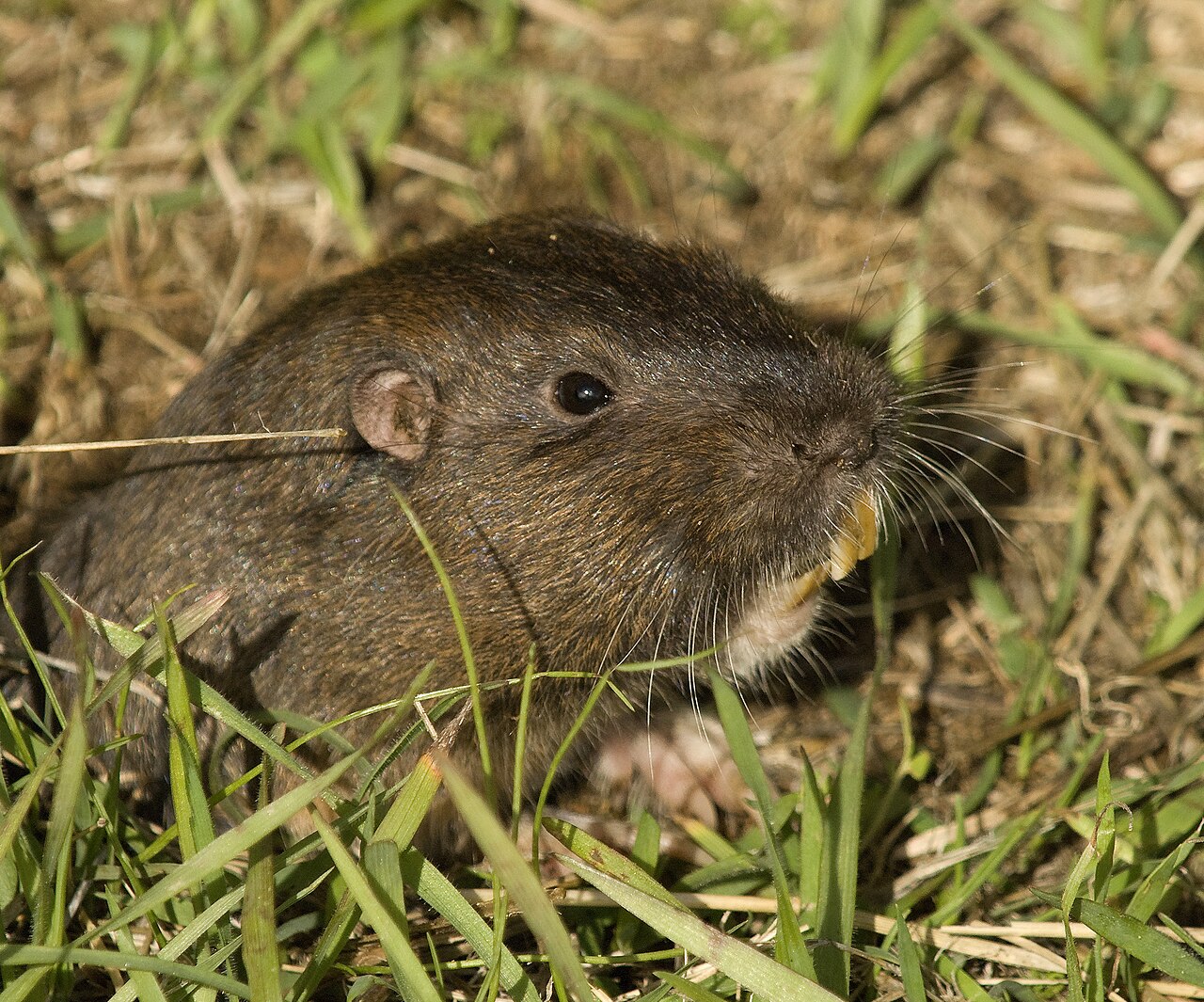
Frequently Asked Questions
What exactly is a gopher in rodent taxonomy?
Pocket gophers are burrowing rodents belonging to the family Geomyidae, with roughly 41 recognized species. They are the 'true' gophers, though a few unrelated ground squirrels in Sciuridae are sometimes lumped under the same common name.
How big are gophers and what do they look like?
Most species weigh around 200 grams and measure 15–20 cm in body length, with a short 2.5–5 cm tail, though some can push close to 1 kg. Their most striking feature is a pair of fur-lined cheek pouches they use to haul food back to their burrows.
Where in the world can you find gophers?
Every one of the 41 species is restricted to North and Central America; they are absent from every other continent. They are almost entirely subterranean, spending the vast majority of their lives inside sprawling tunnel networks.
Why do gophers get a reputation as pests?
Their relentless tunneling displaces soil into surface mounds and can undermine crops, lawns, and garden beds, which is why farmers and gardeners often view them as destructive. The same burrowing behavior is also what makes their tunnel architecture a subject of interest for naturalists.
How long do gophers typically live?
Most individuals survive 1 to 3 years in the wild, with a general ceiling of about 5 years. A few members of the genus Geomys have been recorded reaching 7 years, which is the upper end for the family.
More in Rodents And Lagomorphs 1-21
Spotted an error? Know more?
This is a living reference — every entry is fact-audited, and reader corrections feed straight into our audit queue. Suggest an edit · See this site's audit record