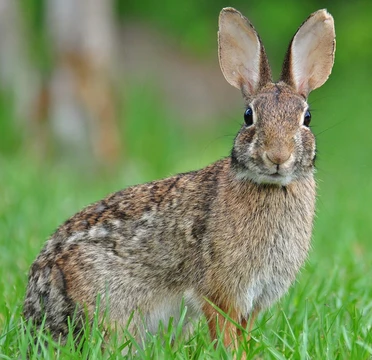
Dwarf rabbit
Term for rabbits with dwarfing gene or small breeds.

Aaron Van Dyken · CC BY-SA 4.0
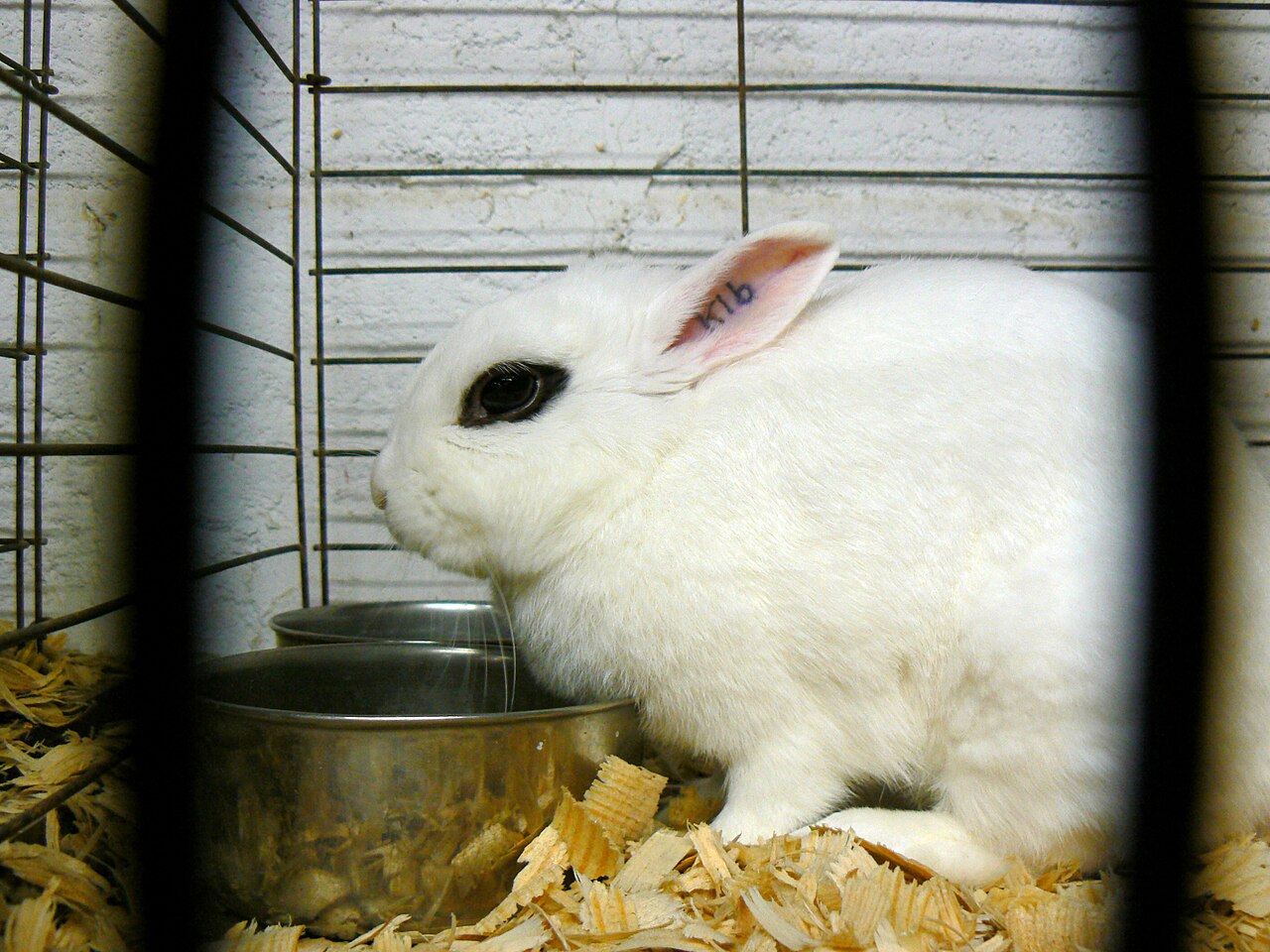
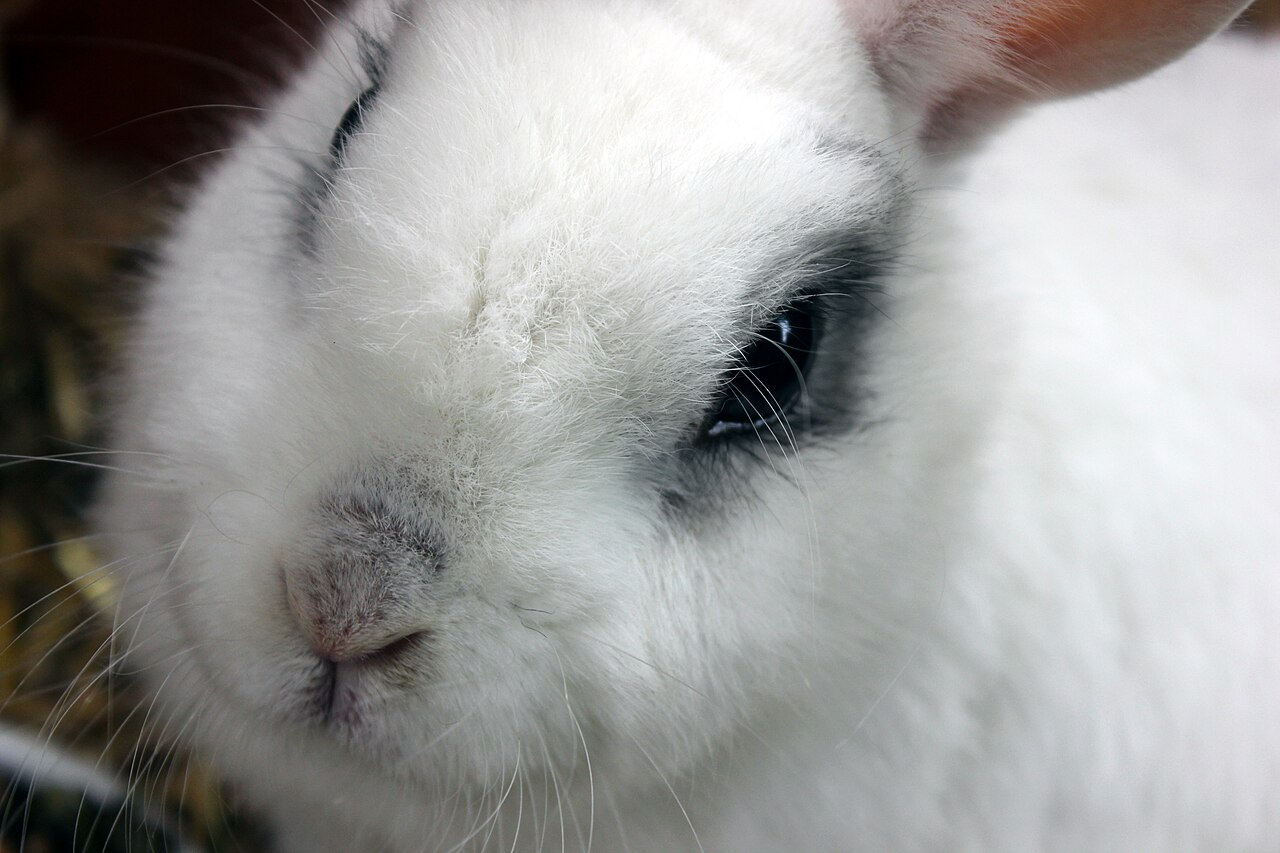
Dwarf rabbit is a term used to refer to rabbits with the dwarfing gene, any small breed of domestic rabbit, or any small rabbit in colloquial use. The dwarfing gene dw produces true dwarfism, often associated with physical abnormalities such as pituitary dwarfism, while selective breeding for smaller stature—a process called dwarfing—can also produce small rabbits without the gene. Small stature is a characteristic of neoteny, which may partly account for the appeal of dwarf animals.
- type
- Term for rabbit types
- associated_gene
- dw (dwarfing gene)
- smallest_breed
- Netherland Dwarf
- weight_range_ARBA
- 1.1–3.5 lb (0.50–1.59 kg)
- weight_max_BRC
- 2.5 lb (1.1 kg)
- smallest_wild_species
- Marsh rabbit (Sylvilagus palustris), 2.2–2.6 lb (1.00–1.18 kg)
Lore & Background
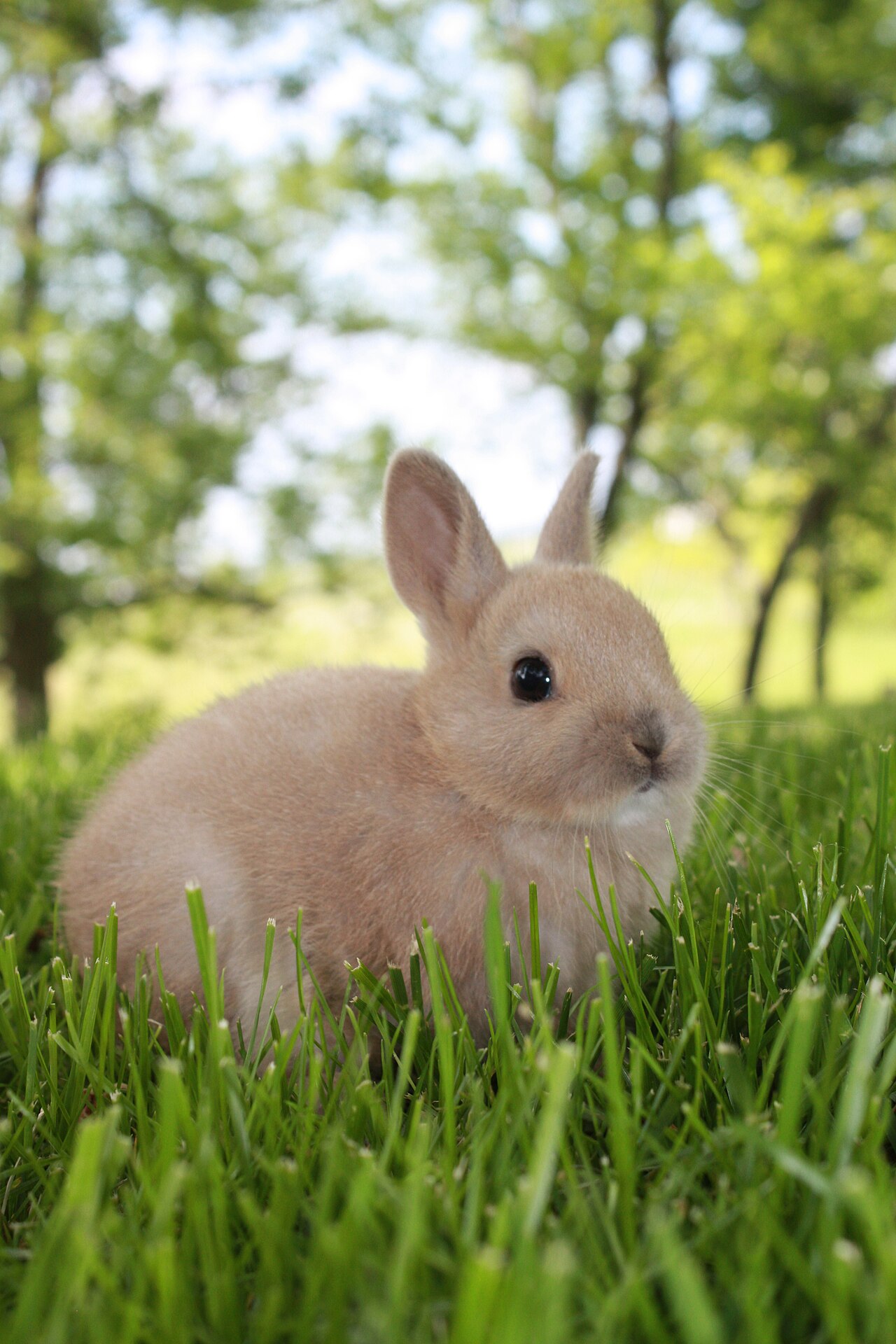
The Netherland Dwarf is the smallest domestic rabbit breed, with the American Rabbit Breeders Association accepting a weight range of 1.1–3.5 lb, while the British Rabbit Council allows a maximum of 2.5 lb. Its small stature initially resulted from the dwarfing gene dw, and its short neck and rounded face are features of neoteny. Many small rabbit breeds carry this gene, but the Polish and Britannia Petite do not; they achieved small size solely through selective breeding of successively smaller generations, a process called dwarfing.
Reader's Guide
The concept of dwarf rabbit encompasses both genetic and bred smallness, reflecting a broader interest in neotenic features that make animals appealing. The dwarfing gene dw produces true dwarfism, which can include physical abnormalities such as pituitary dwarfism, while false dwarfs are rabbits that did not inherit the gene but are small due to mixed breeding. The term's informal and colloquial uses extend to any small rabbit, including wild species like the Marsh rabbit, which weighs 2.2–2.6 lb. This flexibility in definition highlights the cultural and practical significance of small rabbits in domestic settings, as seen in the recognition of breeds by organizations like ARBA and BRC. The process of dwarfing—selective breeding for smaller size—demonstrates human intervention in animal morphology, while neoteny explains the enduring attraction to these animals. The entry also notes lethal dwarfism in rabbits as a related topic, underscoring the genetic complexities involved.
Did You Know?
- The Netherland Dwarf is the smallest domestic rabbit breed, with a maximum weight of 2.5 lb according to the British Rabbit Council.
- The dwarfing gene dw is responsible for true dwarfism in rabbits, often associated with physical abnormalities including pituitary dwarfism.
- The Polish and Britannia Petite rabbit breeds achieve small stature through selective breeding, not the dwarfing gene.
- The Marsh rabbit (Sylvilagus palustris) is one of the smallest wild rabbit species, weighing 2.2–2.6 lb.
Taxonomic Identity and Evolutionary Roots
Rabbits occupy a peculiar position in the tree of life. For centuries, naturalists lumped them together with rodents, a grouping that persisted in formal classification until 1912, when they were repositioned into the order Lagomorpha alongside pikas. The old assumption that rabbits and rodents merely looked alike due to convergent evolution gave way to molecular evidence in the 2000s, which confirmed a shared ancestor and placed both groups within the broader clade Glires. Paleontological and genetic work suggests this split occurred at the dawn of the Tertiary period. Within Leporidae, more than seventy extant species are spread across eleven genera, with the hares (genus Lepus) accounting for thirty-two of those species. A critical taxonomic wrinkle is that rabbits form a paraphyletic grouping rather than a true clade, because hares nest inside the Leporidae family yet are excluded from the common name rabbit. This means the everyday word actually describes a subset of a larger biological reality.
Built for the Hunted Life
Rabbit anatomy is a masterclass in predator evasion. Their ears, dense with blood vessels, serve a dual purpose: they act as radiators for thermoregulation and as highly sensitive auditory organs for detecting approaching threats. A wide field of vision keeps the world in constant peripheral awareness. The hind legs are structurally longer than the fore legs, a design that powers explosive hops for escape and, if a rabbit is cornered, delivers a forceful kick. These animals are typically nocturnal and often rest with their eyes still open, a vigilance that speaks to their status as prey. Reproduction is rapid—pregnancies are short, litters range from four to twelve kits, and there is no fixed breeding season—yet this fecundity is offset by high embryonic mortality and the ever-present threat of diseases like myxomatosis and rabbit hemorrhagic disease. Whether living solitarily or in social warrens, rabbits have evolved a physiology tuned to one overriding imperative: outlasting the animals that hunt them.
A Language of Ears, Burrows, and Kits
The vocabulary surrounding rabbits is layered with history. The word rabbit itself comes from Middle English rabet, borrowed from Walloon robète, a diminutive of a French or Middle Dutch term of uncertain origin. For centuries, rabbit referred only to young animals, while adults were called coney, a word tracing back to the Latin cuniculus, in use since at least the first century BC in Hispania. Some etymologists link cuniculus to a Celtic diminutive for dog. The affectionate bunny appeared by the 1680s as a diminutive of the Scottish bun. A group of rabbits is called a colony, nest, or warren—the last term more often denoting the burrow system itself. A single mating's offspring form a litter. Sex-specific terms carry their own etymologies: buck for males derives from Old English bucca, meaning he-goat or male deer, while doe for females comes from Old English dā, related to the verb meaning to suck.
From Roman Kitchens to Global Ecosystems
The human relationship with rabbits stretches back to at least the first century BC in ancient Rome, where they were raised for meat, fur, and wool—a practice now called cuniculture. The European rabbit, Oryctolagus cuniculus, is the ancestor of every domestic breed and has been introduced to every continent except Antarctica. In modern ecology, however, that same adaptability has turned rabbits into a serious pest, particularly in Australia, where unmanaged populations have caused significant environmental damage. Beyond agriculture, rabbits permeate global culture as symbols of fertility, cunning, and innocence across major religions and in both historical and contemporary art. The two most widespread wild genera, Oryctolagus and Sylvilagus (the latter containing over thirteen species including cottontails and tapetis), alongside rarer species like the pygmy rabbit, volcano rabbit, and Sumatran striped rabbit, remind us that the rabbit family is far more diverse than the familiar backyard pet suggests.
Gallery

Frequently Asked Questions
What is Dwarf rabbit in Rodents And Lagomorphs 1-21?
Dwarf rabbit is not a single character but a classification term covering three things: domestic rabbits carrying the dw dwarfing gene, any recognized small breed, and colloquially any small rabbit. The Netherland Dwarf holds the title of smallest recognized breed, while the marsh rabbit (Sylvilagus palustris) is the smallest wild species in the family.
What role does the dw gene play in Dwarf rabbit's biology?
The dw gene is responsible for true genetic dwarfism and is frequently linked to physical abnormalities such as pituitary dwarfism. Selective breeding for smaller size—called dwarfing—can yield compact rabbits that do not actually carry the dw allele, so not every small rabbit is a genetic dwarf.
What weight range defines Dwarf rabbit under major registries?
The ARBA standard places dwarf-breed rabbits between 1.1 and 3.5 lb (0.50–1.59 kg), whereas the BRC caps its smallest category at 2.5 lb (1.1 kg). These figures set the upper boundary for what a registry will officially recognize as a 'dwarf' class.
Why does Dwarf rabbit appeal to fans and breeders?
Small stature in rabbits is a classic example of neoteny—the retention of juvenile traits into adulthood—and that persistent 'baby' look is a major driver of the breed's popularity. The combination of neotenous features and manageable size makes dwarf rabbits a perennial favorite in the hobby.
How does Dwarf rabbit's story resolve in the canon?
There is no single narrative arc because Dwarf rabbit is a taxonomic and breeding category rather than a plot character. Its 'ending' is essentially ongoing: the dw gene continues to be managed in breeding programs, and the smallest recognized breeds remain defined by the weight ceilings set by bodies like the ARBA and BRC.
More in Rodents And Lagomorphs 1-21
Spotted an error? Know more?
This is a living reference — every entry is fact-audited, and reader corrections feed straight into our audit queue. Suggest an edit · See this site's audit record