Giant pouched rat
Large African rodents trained to detect land mines and tuberculosis.

Courtesy of NIAID Ryan Kissinger · Public domain
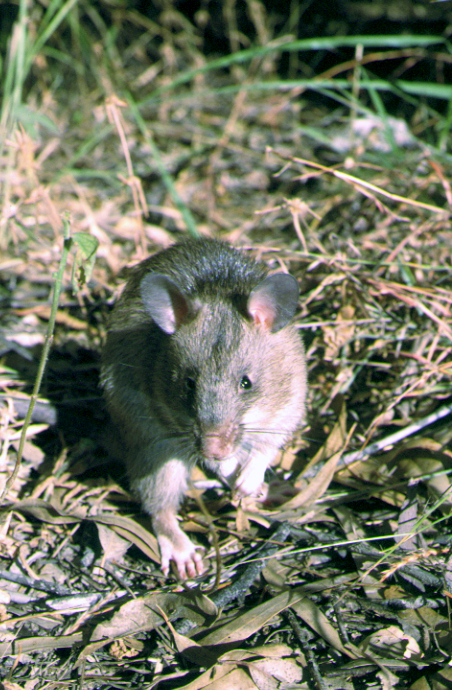
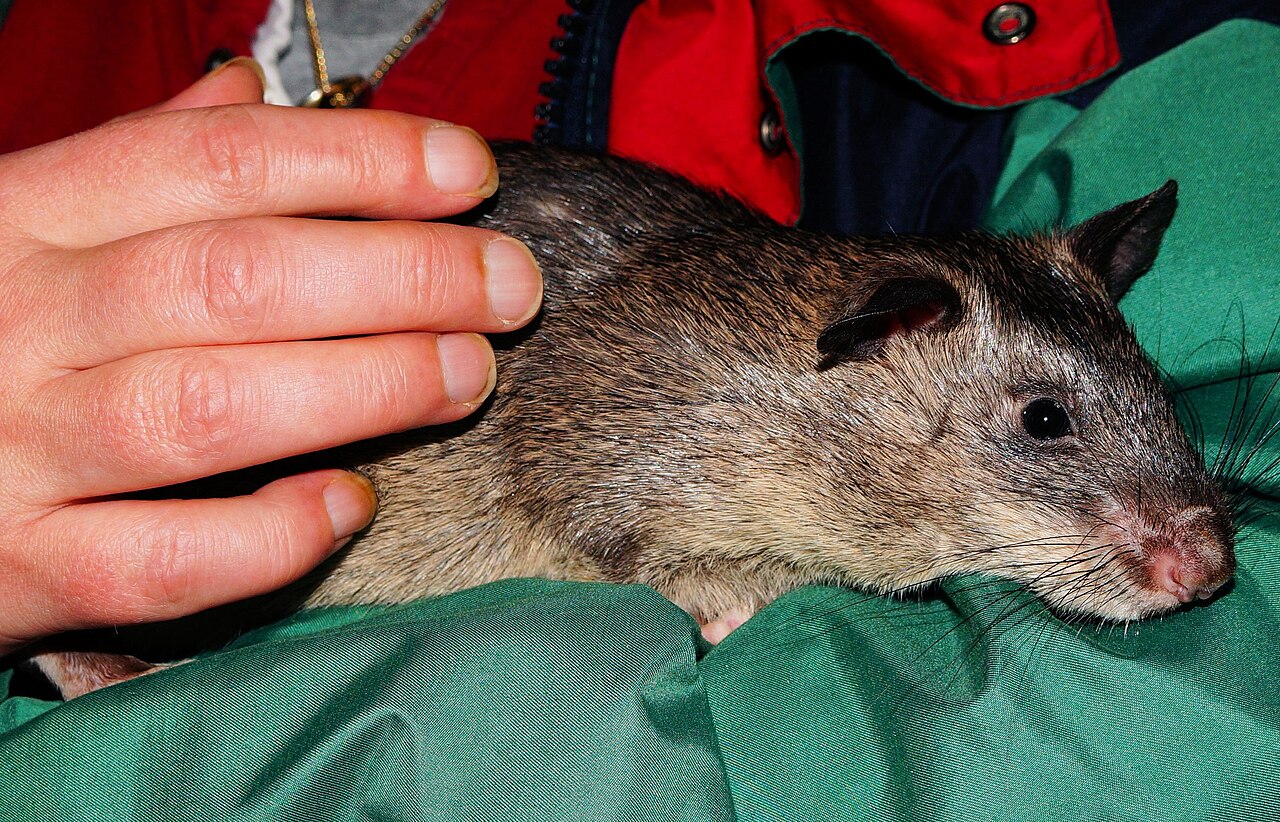
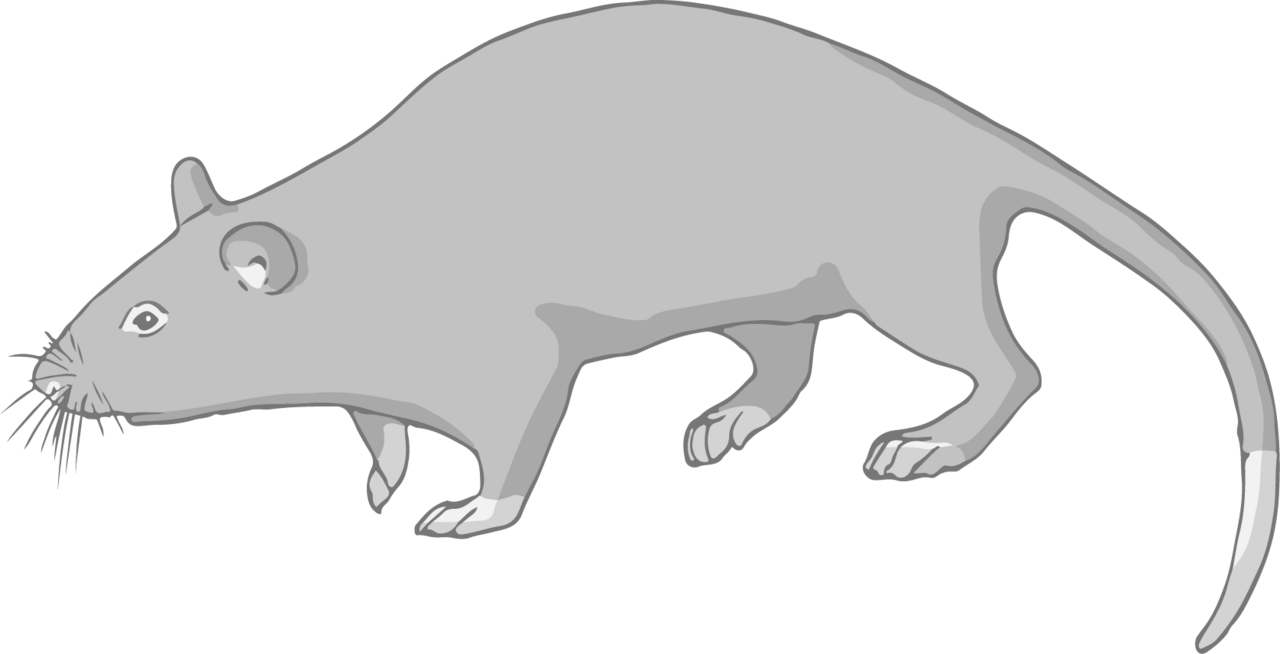
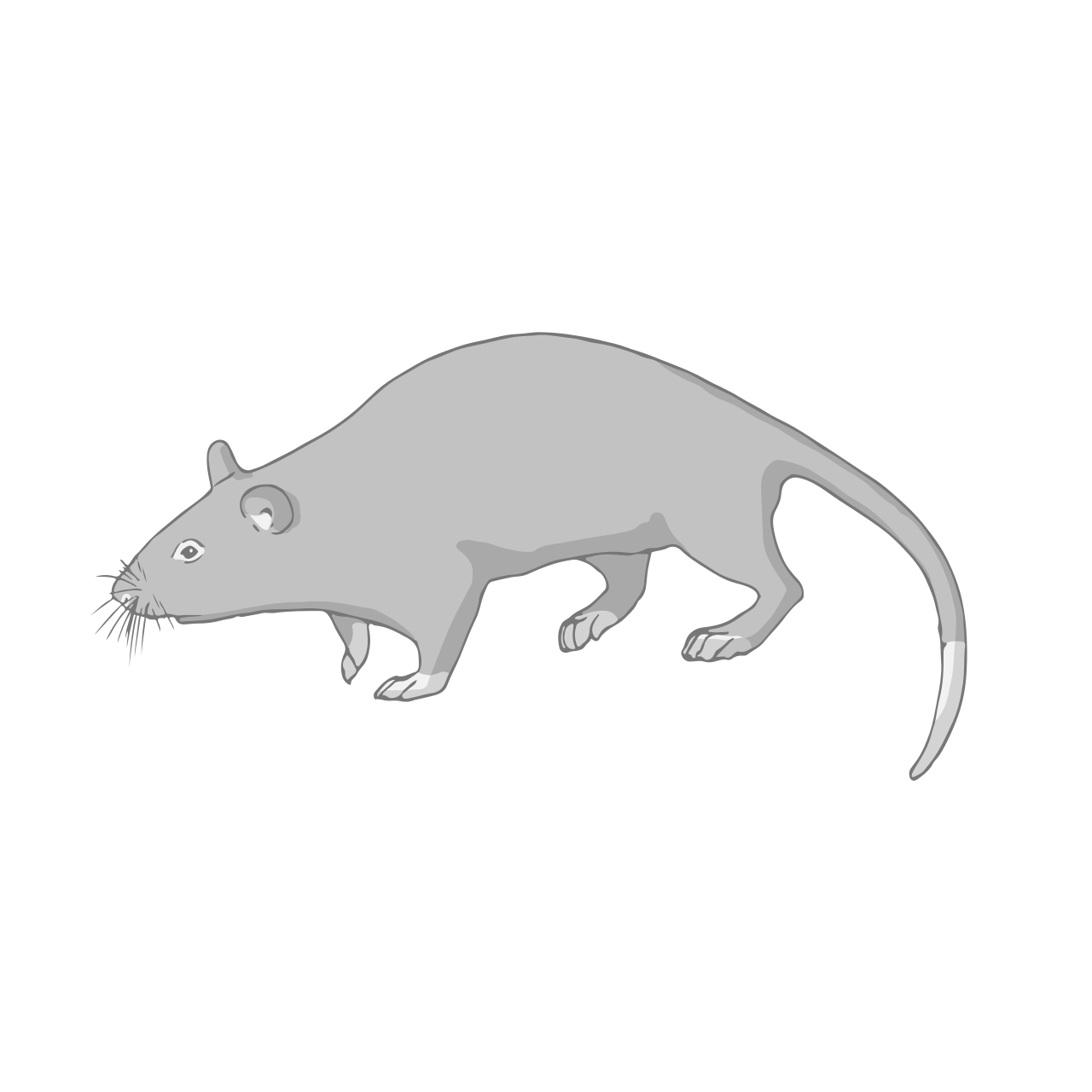
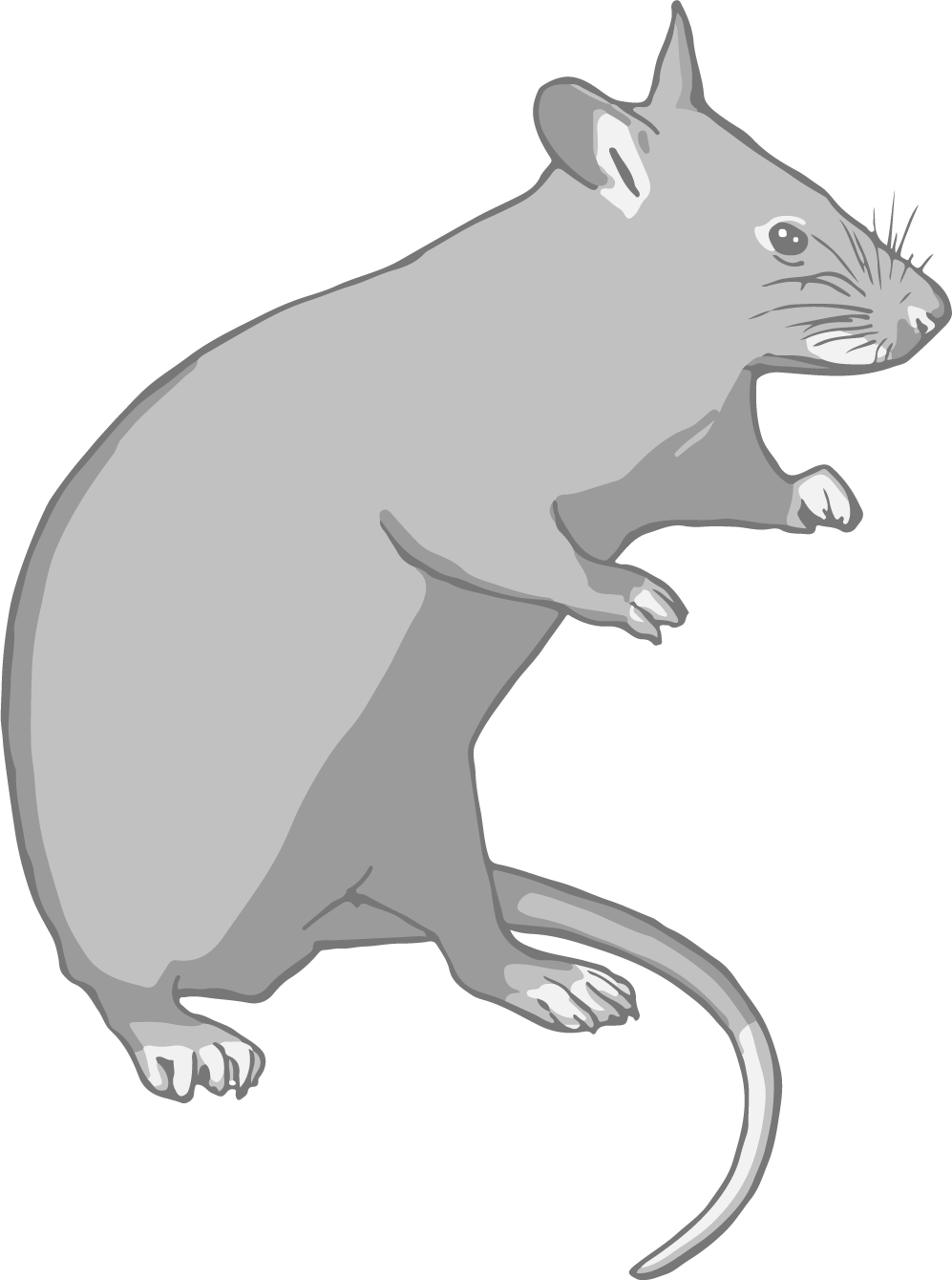
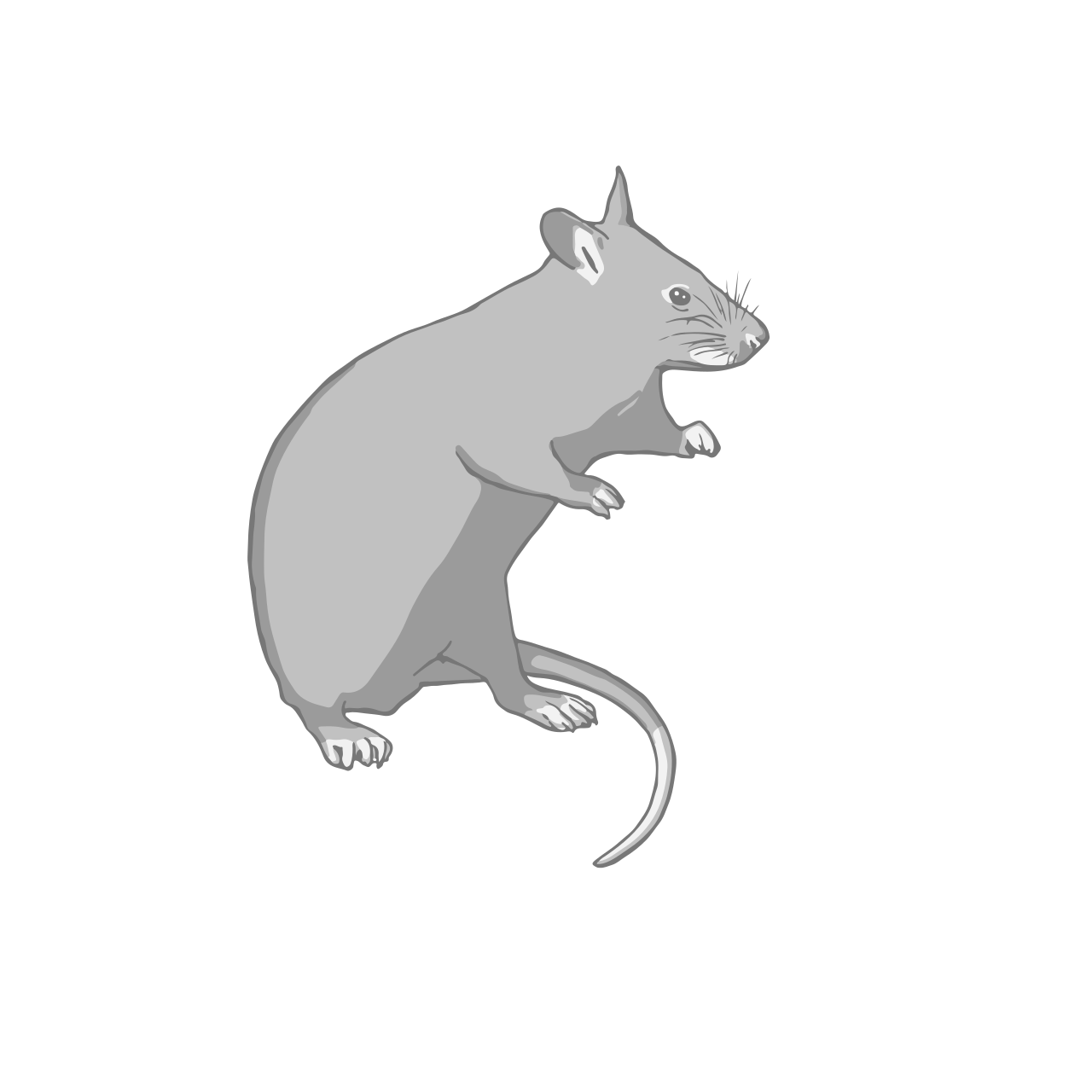
Giant pouched rats (genus Cricetomys) are large muroid rodents native to sub-Saharan Africa. They are only distantly related to true rats, having been reclassified from the family Muridae to Nesomyidae based on molecular studies. Their name refers to their large cheek pouches. They are valued as a food item in many African countries and have been trained to detect land mines and tuberculosis, earning them the name HeroRATs.
- gestation
- 30–42 days
- litters per year
- up to 4–5
- nipples
- 8–10
Lore & Background
Giant pouched rats are nocturnal omnivores, feeding on vegetation and small animals, especially insects, with a particular taste for palm nuts. Females can produce up to 4–5 litters yearly, with gestation lasting 30–42 days, and give birth to one to five young. They have between eight and ten nipples.
Reader's Guide
Giant pouched rats have gained significance through their use in humanitarian detection work. The rats have identified cases later confirmed by clinical tests, suggesting they can detect the disease before standard tests.
Did You Know?
- Giant pouched rats are only distantly related to true rats and are now placed in the family Nesomyidae.
- They can be trained to detect land mines because they are light enough not to trigger antipersonnel mines.
Gallery
Frequently Asked Questions
Who is Giant pouched rat?
Giant pouched rats are large muroid rodents belonging to the genus Cricetomys, native to sub-Saharan Africa. Despite the name, they are only distantly related to true rats and were moved from the family Muridae to Nesomyidae after molecular studies clarified their evolutionary position.
What are Giant pouched rat's powers or role?
These rodents have been trained to sniff out buried land mines and to detect tuberculosis in sputum samples, a service that earned them the popular nickname HeroRATs. Their outstanding olfactory ability is what makes them effective in both detection tasks.
How does Giant pouched rat's story end?
Because they are real animals rather than fictional characters, there is no narrative arc or final chapter. In the wild their populations persist across sub-Saharan Africa, while trained individuals continue working in humanitarian detection programs.
Why is Giant pouched rat important?
They are a valued food source in many African countries and play a critical humanitarian role in clearing mines and screening for tuberculosis. Their reclassification from Muridae to Nesomyidae also reshaped scientists' understanding of rodent evolutionary relationships.
What are Giant pouched rat's key biological traits?
A litter arrives after a 30–42 day gestation, and a female can produce up to four or five litters in a single year. They possess 8–10 nipples and are named for their notably large cheek pouches.
More in Rodents And Lagomorphs 1-21
Spotted an error? Know more?
This is a living reference — every entry is fact-audited, and reader corrections feed straight into our audit queue. Suggest an edit · See this site's audit record